Building trust and dealing with politicians are key challenges in development, said nonprofit leaders
By Dr. Marivir Montebon
New York - At the reception of the Prize for Cities Award at the Morgan library, Sharon Tarus, a representative of the finalist entry in the 2025-2026 Prize, confided that dealing with local politicians had been one of the most challenging endeavors to get their project to succeed.
To get the politicians to see your vision and provide support had been most difficult, she said.
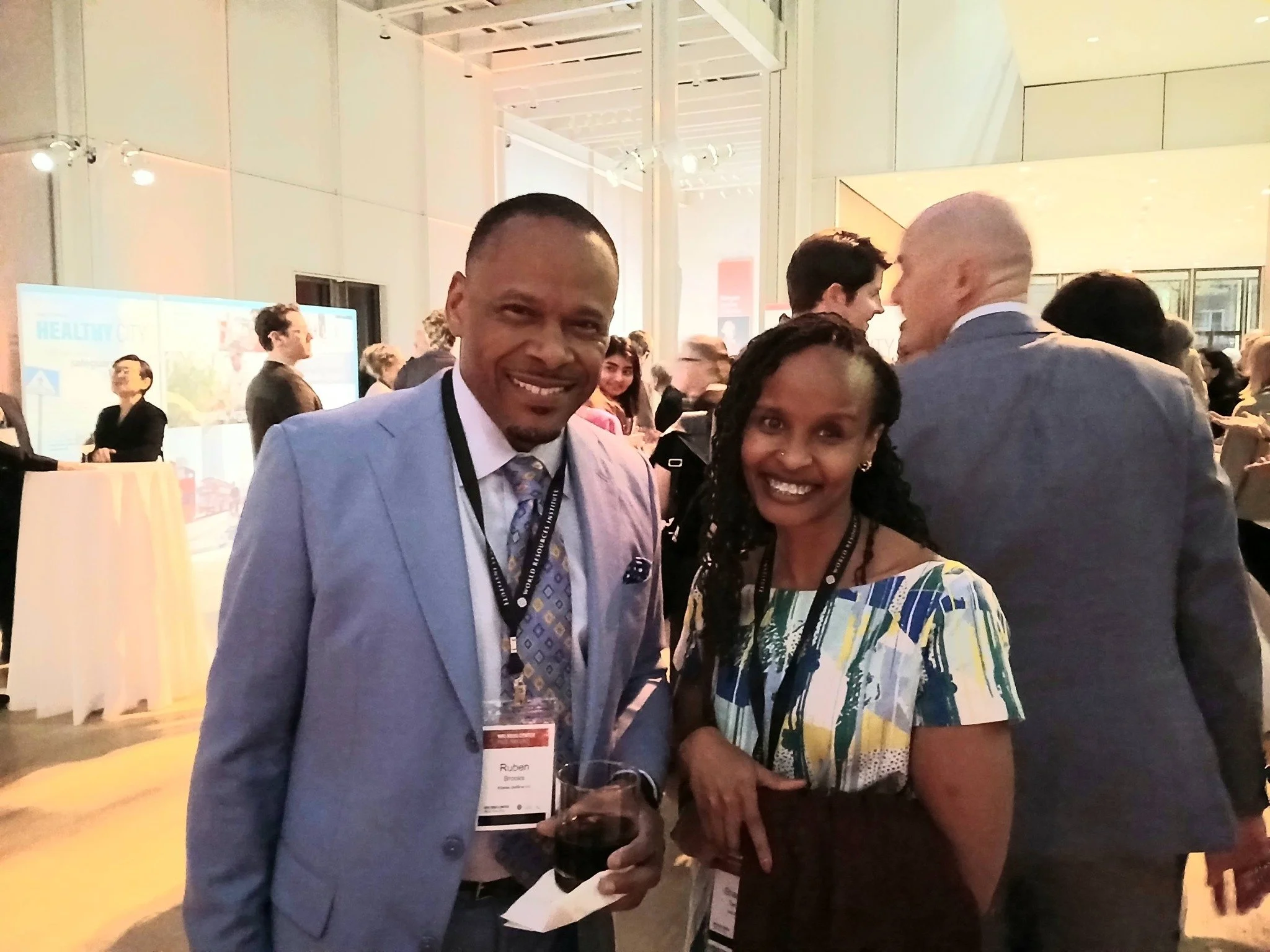
Sharon Tarus of Nairobi’s Book Bunk and Ruben Brooks of the Atlanta Beltline.
Tarus, from Nairobi, runs the Book Bunk with her team. It is a partnership restoring public libraries as free “Palaces for the People,” transforming long-neglected buildings into trusted civic hubs for learning, culture and community services.
She added that sustaining the program is also a constant challenge. “We just have to keep on writing grant proposals,” she quipped.
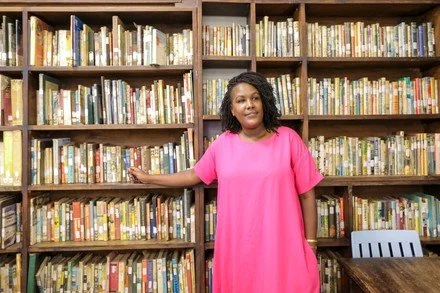
Book Bunk co-founder Angela Wachuka
Aside from Nairobi, three other finalists each received $25,000 from the World Resources Institute Ross Center, sponsor of the Prize for Cities. They are:
Atlanta Beltline (Atlanta, United States): A 22-mile loop built from former rail corridors that expands access to trails and parks while reconnecting neighborhoods long divided by infrastructure.
Sistema Verde Urbano (Loja, Ecuador): A citywide green infrastructure network linking parks and river corridors with mobility and watershed protection, helping residents access nature and public space as the city grows.
Revitalizing Informal Settlements and Environments (RISE) (Makassar, Indonesia): A community-designed initiative that improves sanitation and drainage in informal settlements using nature-based solutions, making neighborhoods healthier and more resilient to flooding.
Grand prize winner: Manila
Manila won as the grand prize winner this year with the Move As One Coalition. The youth-led group got $250,000 from the World Resources Institute Ross Center for creating the widest impact in improving the systems and infrastructure in public transport in Manila.
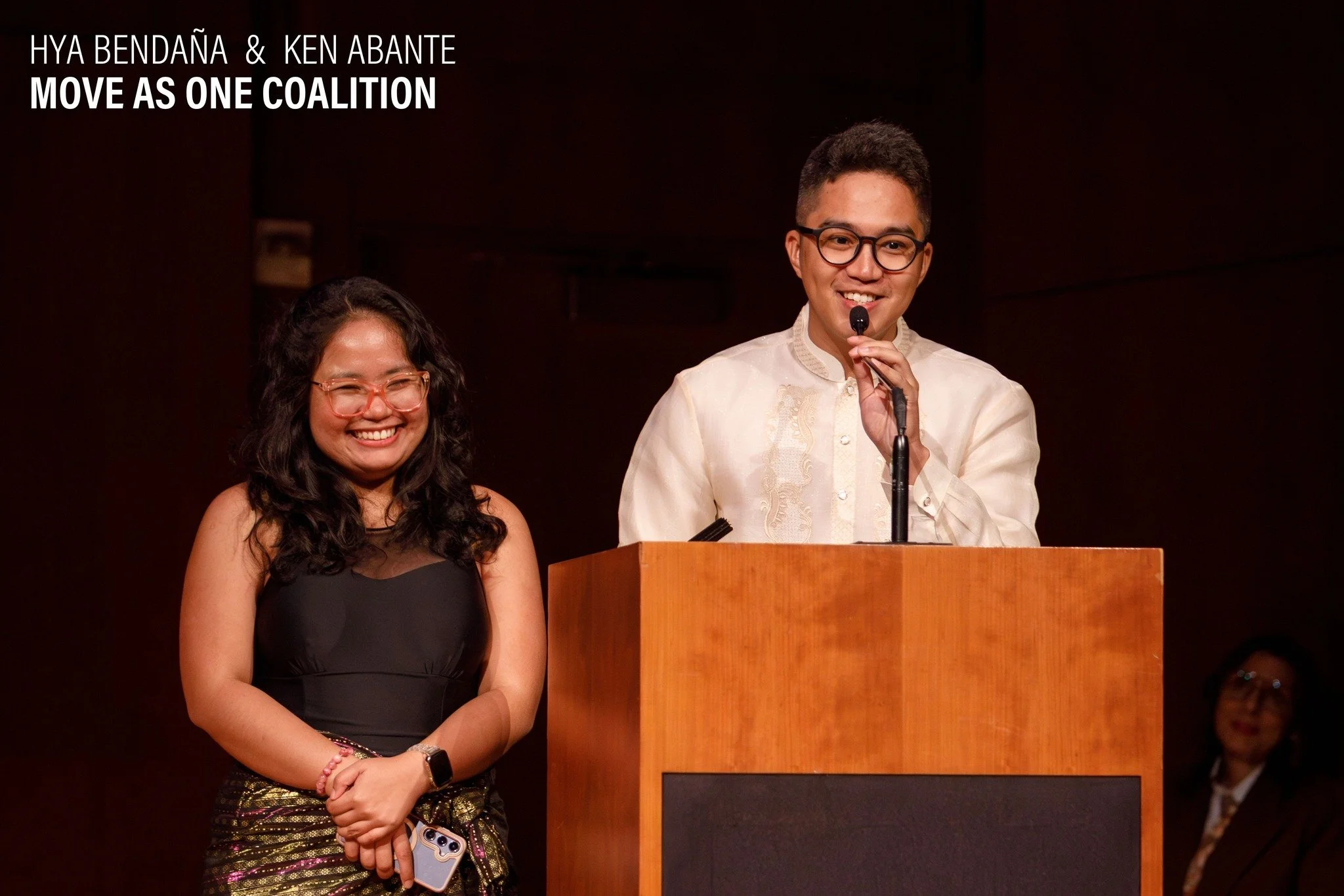
Move as One Coalition represented by Hya Bendana and Ken Abante
Multi-stakeholder in approach, Manila bested over 300 entries worldwide for 2025-2026. The awards night and reception was held at the Morgan Library on Madison, with over 200 people in attendance on April 20, 2026.
Reycel Hyacenth Nacario Bendaña, youth leader and national coordinator for the coalition, said building trust was their constant challenge. It was important for people to see consistent action and words as leaders, she said.
Bendaña said that her father, a jeepney driver, inspired her to do the tedious work of systems-change public transportation movement in Manila. She grew up in the daily struggle and chaos of survival of ordinary people, hence, her proactive decision to organize and effect change, together with her community.
“This recognition affirms something we have always believed: when people come together, they can shape the future of their cities. The award belongs not only to our coalition, but to every commuter, worker and community member who has spoken up, organized and pushed for a safer, more humane and more inclusive transport system.”
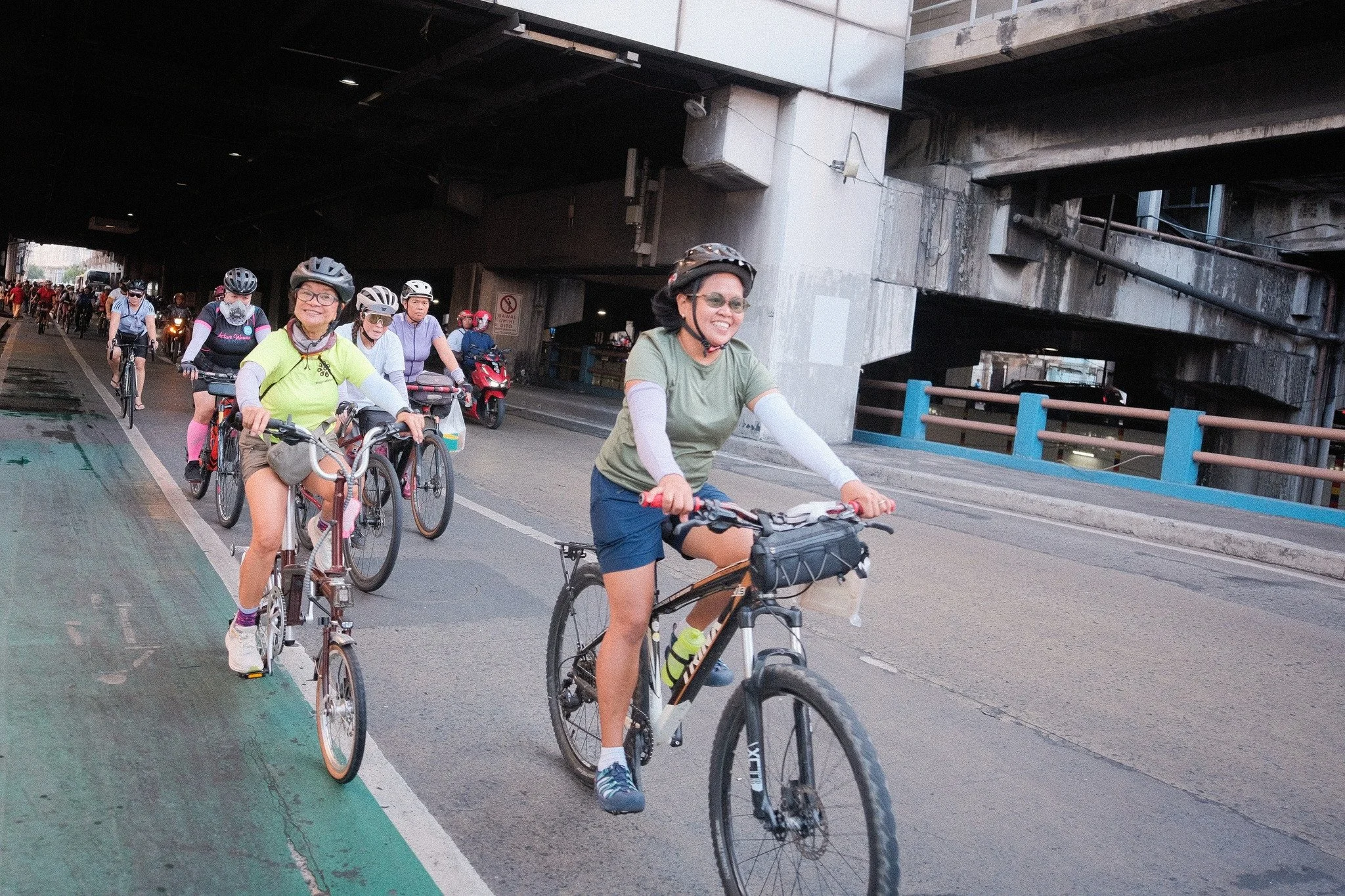
Move as One Coalition created a cycling space in Manila.
Manila has one of the worst road traffic nightmares in the world. By systematizing road use and vehicular traffic, the multi stakeholder approach has made lives safer, more efficient, more livable, and fairer for jeepney drivers.
“What sets the Move As One Coalition apart is how communities and young people have come together to shape public policy and investment at an enormous scale,” said Ani Dasgupta, President and CEO of WRI. “This is a powerful example from one of the most densely populated cities in the world. When people organize, they can shift resources toward safer, more inclusive mobility, improve health and deliver real change in their cities.”
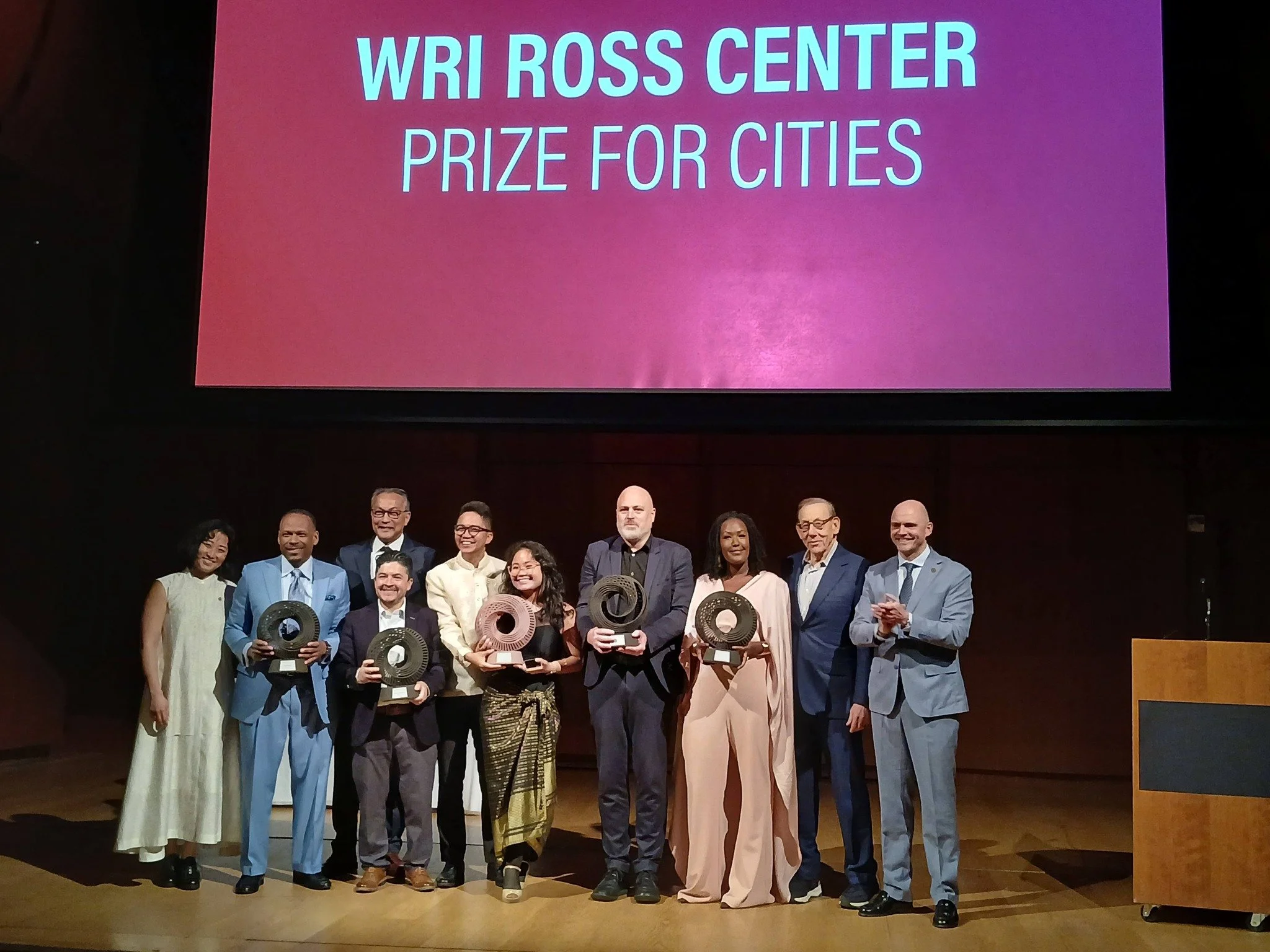
Recipients of the Prize for Cities 2025-2026 cycle: Atlanta, Loja, Nairobi, Makassar, and Manila.
The Manila coalition was born out of the COVID-19 pandemic in 2020, when many jeepney drivers lost income and essential workers struggled to reach hospitals. Since then, it has helped improve pay and working conditions for more than 100,000 transport workers, and helped channel billions into safer, more reliable transport systems. It has also supported the expansion of hundreds of kilometers of protected bike lanes, making it easier for people to get to work, school and essential services.
“What stands out across this cycle’s Grand Prize Winner and finalists is how deeply rooted they are in everyday life,” said Jen Shin, Global Lead for the Prize. Collectively, they demonstrate the power of designing for people first. In doing so, they lay the groundwork for cities that are stronger, healthier and more resilient.”
How to make a city sustainable
The awards ceremony also marked the debut of HOW TO MAKE A CITY, a retrospective exhibition presented with the Yale Hixon Center for Urban Sustainability, featuring lessons on urban transformation from 25 finalists across five Prize cycles.
Yale Hixon Center executive director Colleen Dunning emphasized her office’s commitment to bridging Yale’s scientific knowledge with practice on the ground, through partnerships, conventions, and research.
“The winners this year demonstrated impact on the kind of work that they do to make cities sustainable,” she said.
Centered on the theme “Catalyzing Healthy Cities,” the 2025–2026 Prize recognized projects that improve health and well-being by strengthening access to nature, mobility and essential services. It drew a record 334 submissions from 230 cities across 77 countries, underscoring the global demand for new approaches to urban challenges.
WRI Ross Center for Sustainable Cities is World Resources Institute’s program dedicated to shaping a future where cities work better for everyone. Together with its partners worldwide, it helped create resilient, inclusive, low-carbon places that are better for people and the planet.
It has a network of more than 500 experts working from Brazil, China, Colombia, Ethiopia, India, Indonesia, Kenya, the Netherlands, Mexico, Türkiye and the United States combines research excellence with on-the-ground impact to make cities around the world better places to live. #