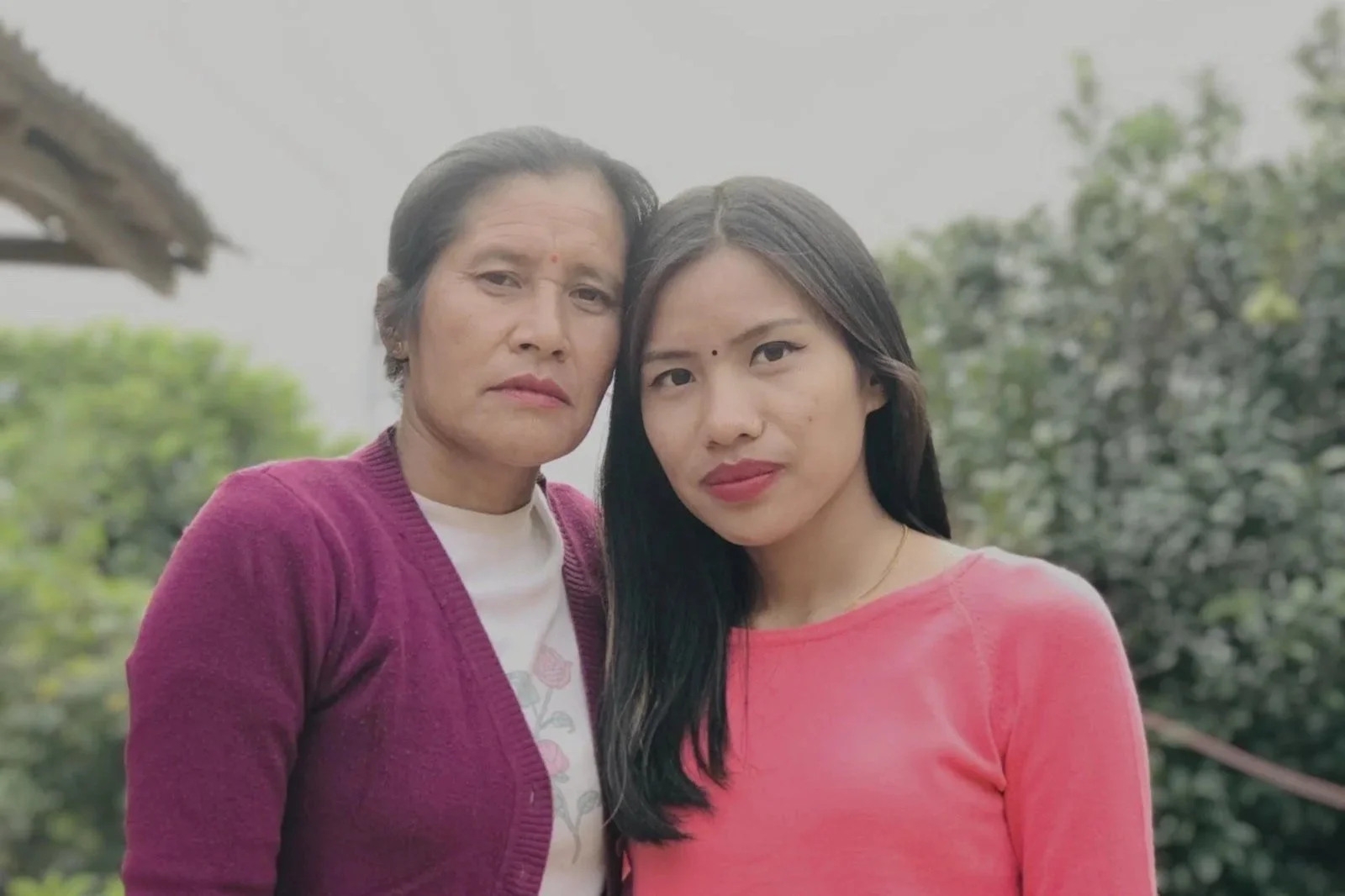
Essay: My courageous mom gave me the best in life – my education
Widowed at 32 and without education, it was never easy for my mom her raising her two kids alone in our patriarchal society in Nepal. All she had was the courage and resilience to raise us, and the foresight that education is an equalizer in our poor life.
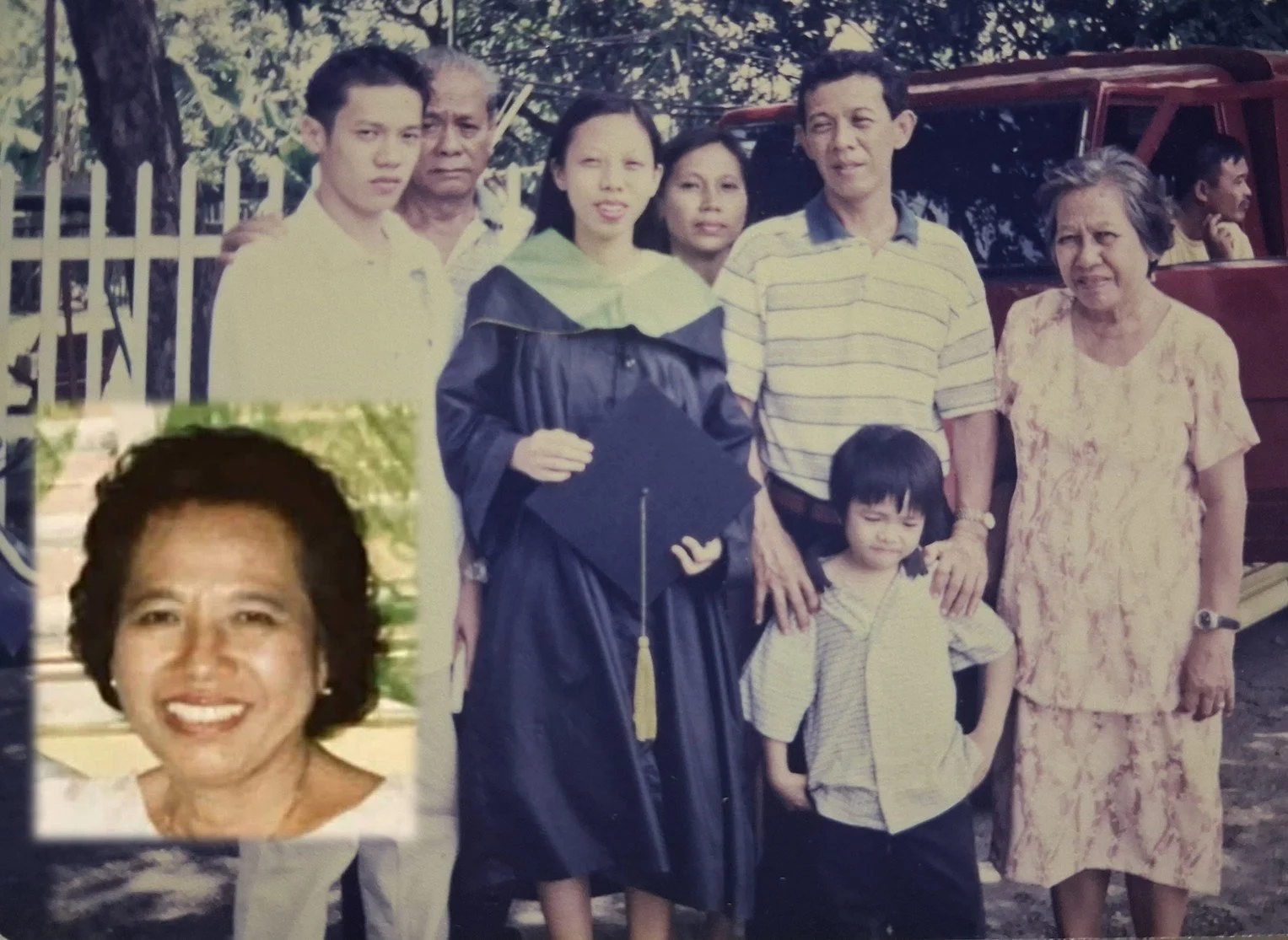
Essay: Paying forward to the village of love that raised me
In every chapter of my life, I had mentors, friends, spiritual guides, and my family who offered support, became my strength, deepened my faith, and opened opportunities when I needed them most. Their combined influences make me who I am today. Moving forward, I always remember to Pay It Forward, be kind and to have faith in God always.
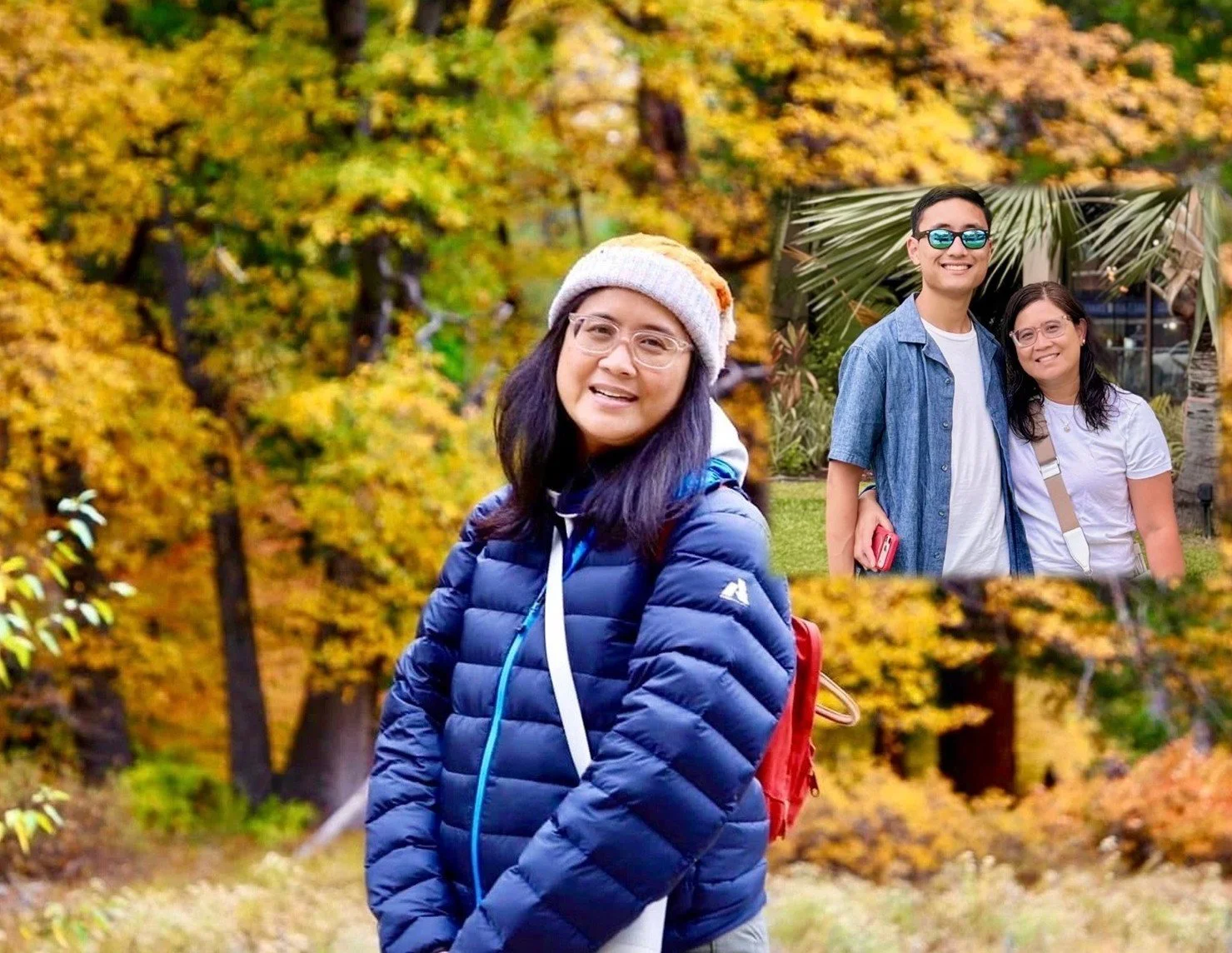
Essay: My mom’s grit shines through my life
My mother’s career as a nurse would never have been possible without her tenacity—a trait that she has imparted to me since I was a child. Her willpower often materialized silently, as I have come to appreciate from recalling how I would watch her sleep so that she could rest in between her night shifts in Chicago. It takes true perseverance to defy the body’s natural inclination to work during the day and rest at night, and her grit stays with me to this day.
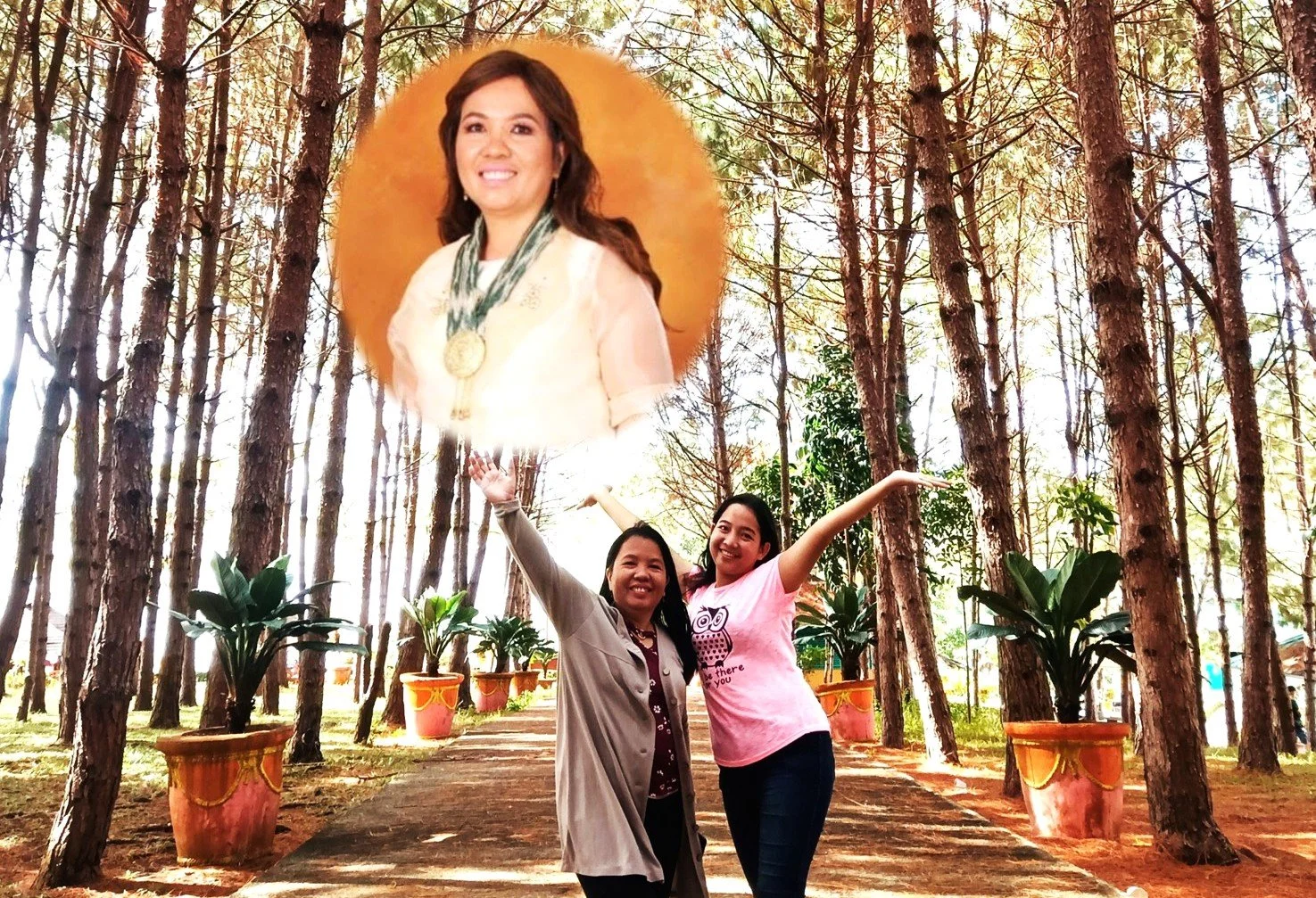
Essay: My lady boss’s strength is infectious
Anne remains my central influence because her life intersects education, professional identity, illness, and community in ways that mirror challenges I may face.
From her I learned that influence is not imitation. I don’t aim to duplicate her exact path. Instead, I absorb the principles she embodies: perseverance amid scarcity, responsibility when others depend on you, and humility in success.
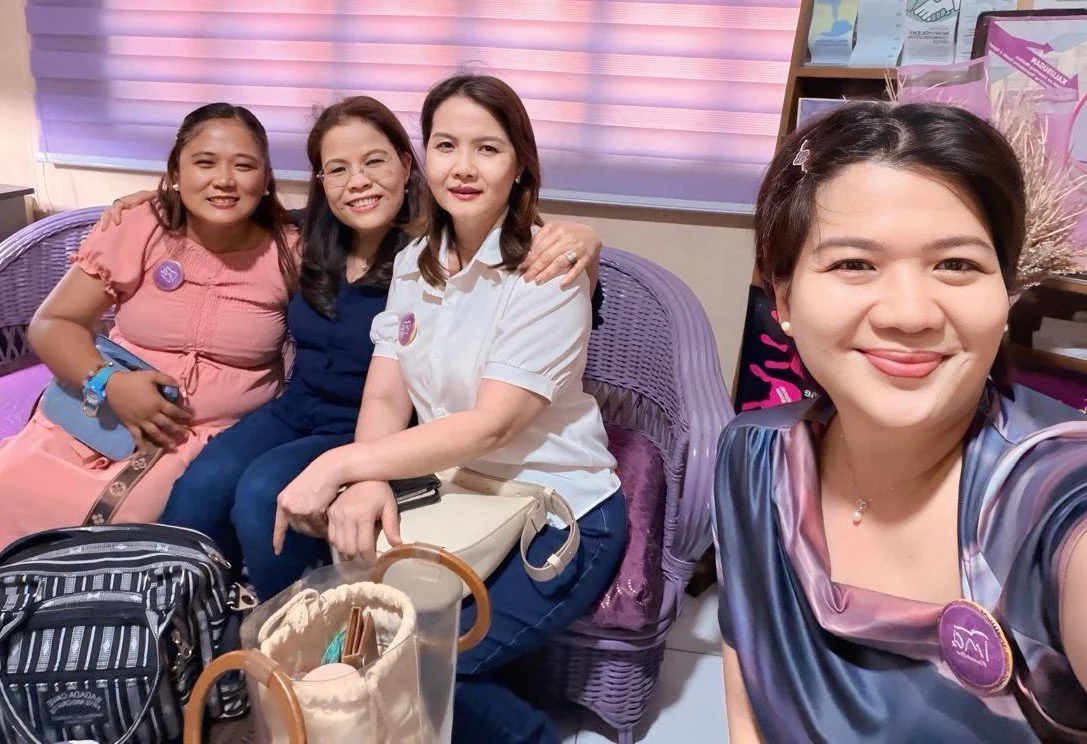
Essay: Finding the light - How my counselor turned my trauma into purpose
Susan reshaped my core values, teaching me to listen to survivors without any judgment—reminding me that people often just need someone to listen—and showing me how to stand up and speak out against abuse for those who cannot speak for themselves.
The person I am today—in my personal life and my career—came directly from the seeds Susan planted when I was at my lowest.
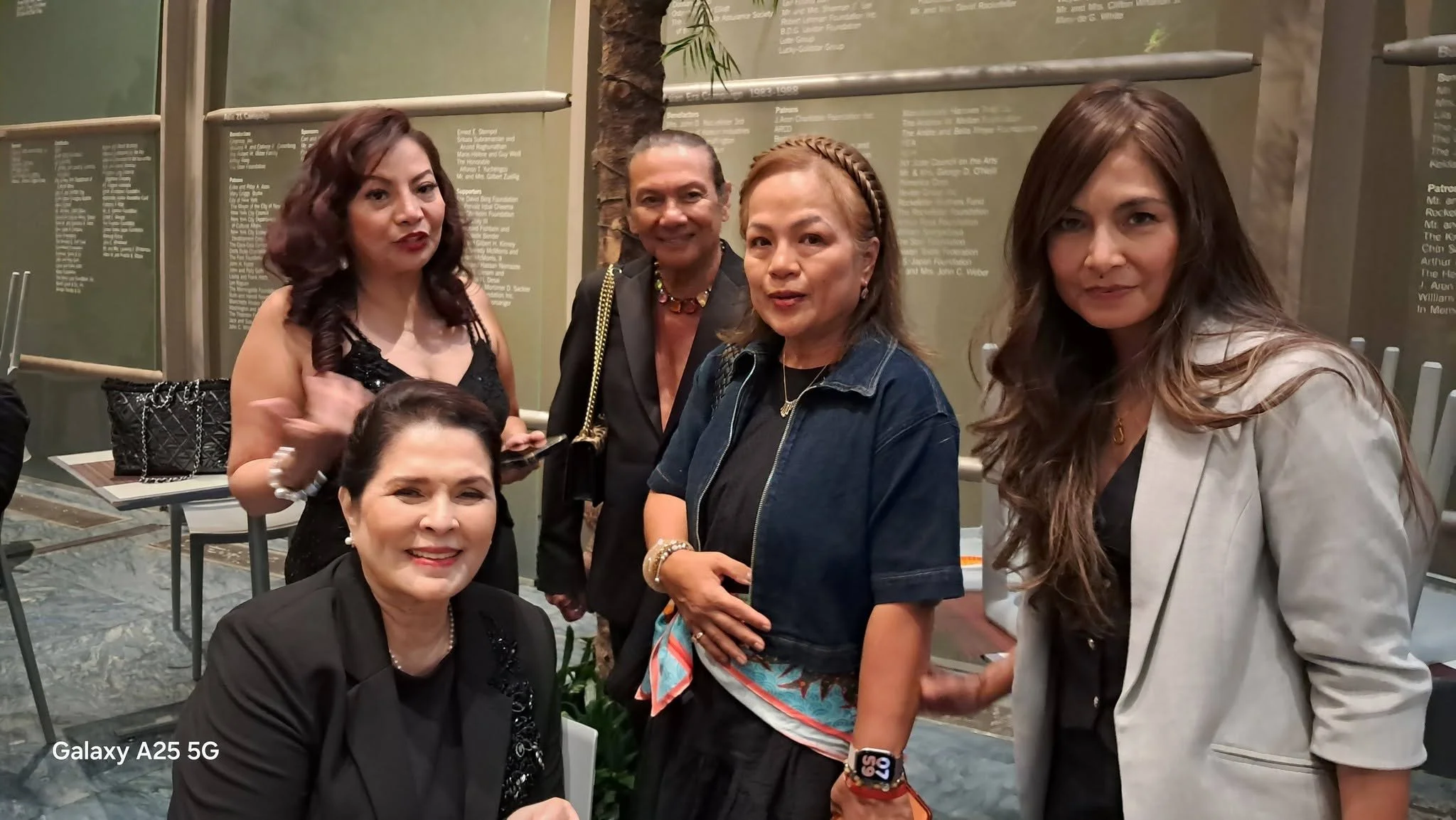
Movie Review: Sisa could have redeemed herself on this one
The movie Sisa is valuable for bringing to life a generally unknown period in Philippine history classes, the brutal American occupation of the Philippines. Sisa finally takes agency for her freedom in this film, before the unthinkable happens.
K. Noda essays - Scarcity: Why “Less” Feels Like “More”
In the digital age, scarcity is no longer merely a condition of the world—it is increasingly designed. Platforms manufacture urgency through countdowns, disappearing content, viral trends, and algorithmic amplification. Scarcity becomes constant and ambient.
This does not mean that all scarcity is false. Time is finite. Opportunities pass. Limits are real. The question, however, is whether scarcity is revealing those limits—or exploiting them. Are we responding to reality, or to a carefully engineered sense of pressure?
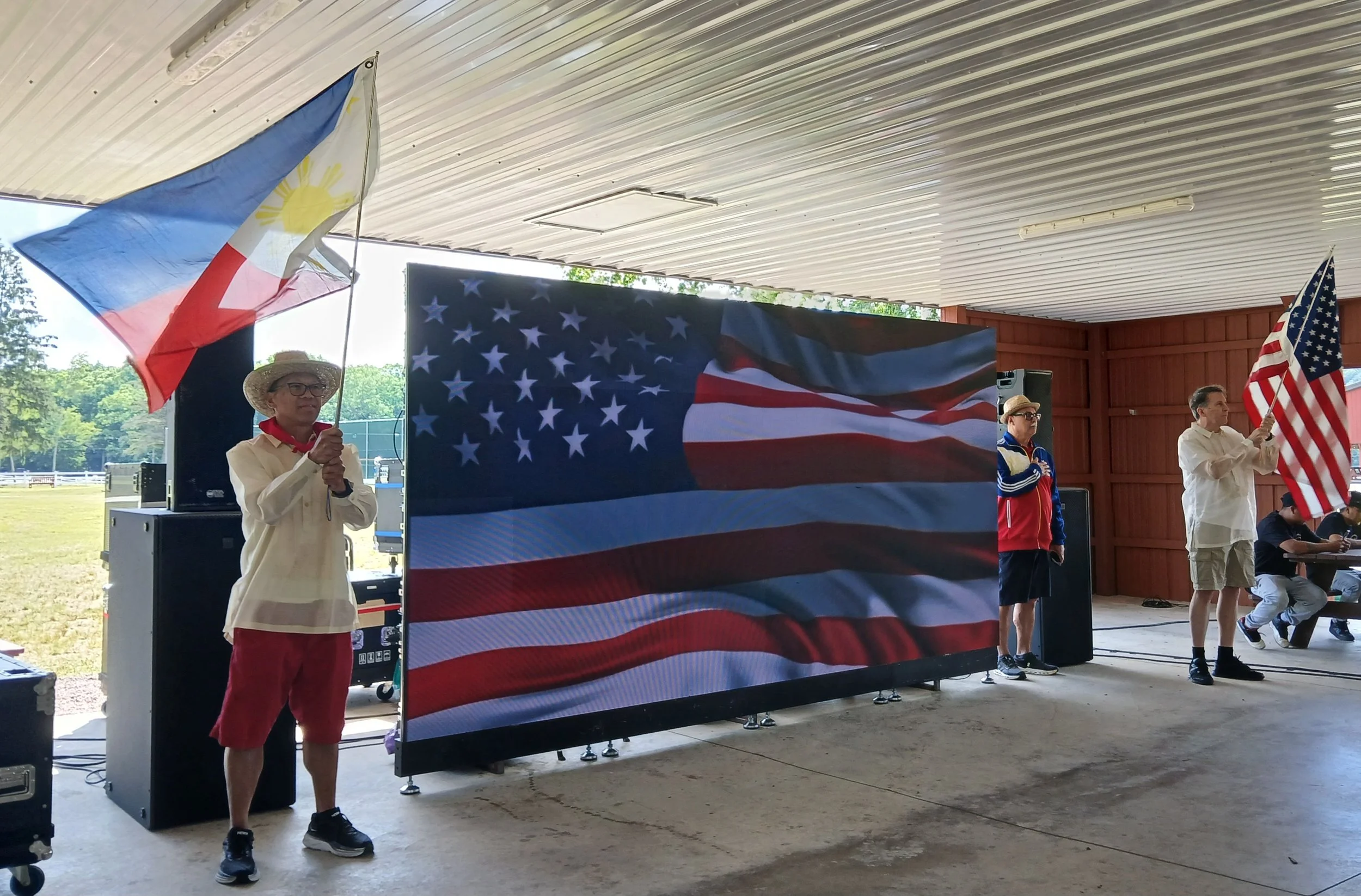
K. Noda Essay: Authority - When obedience feels like responsibility
In the digital age, authority takes newer forms: algorithms, ratings, verification badges, and systems that quietly decide what counts as relevant, reliable, or true.
If we trust these systems, do we also know when—and how—to question them?
Essay: Unity - when “We” becomes stronger than “I”
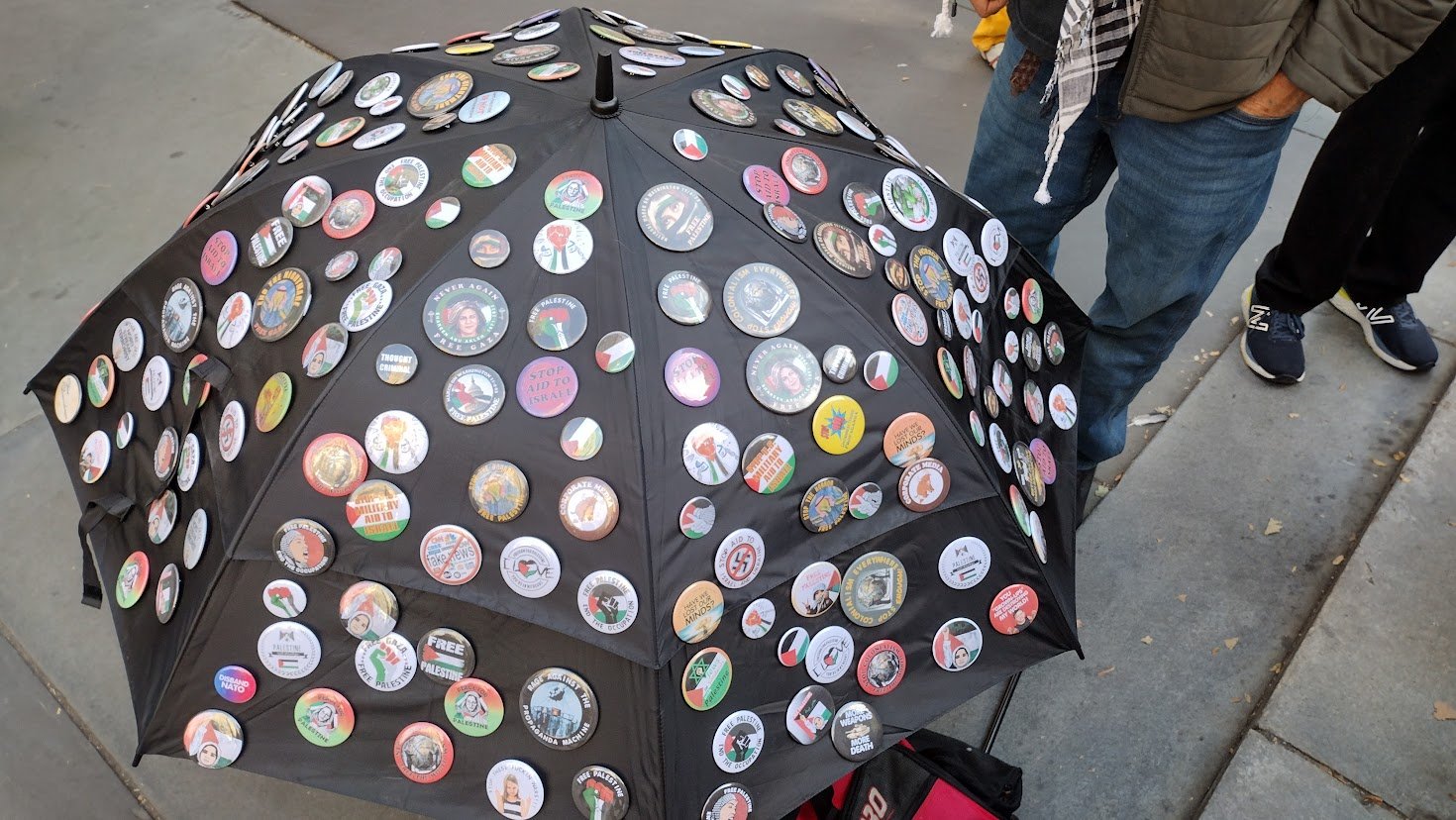
K. Noda: “In the digital age, unity can be manufactured at speed. Platforms do not merely connect individuals; they can cultivate tribes. Symbols, slogans, rituals, inside jokes, shared enemies—these can form a sense of “family” without the slow work of living together. The reward is immediate: recognition, certainty, belonging. The cost can also be immediate: hostility toward outsiders, suspicion of nuance, and a pressure to perform identity rather than seek understanding.”

Essay: Milgram and the Banality of Evil
Dr. Keisuke Noda, Ph.D., produces a philosophy podcast called Encounters, a series of reflections based on philosophy and themed on how we live as human beings in the time of AI, temptation, power, and limitations.
Enjoy his essay on Milgram’s obedience experiments that revealed a disturbing possibility: ordinary people may inflict harm not because they are cruel, but because an authority defines the situation and assumes responsibility.
Commentary - The UN’s new architectural logic: Beyond the digital connectivity fixation
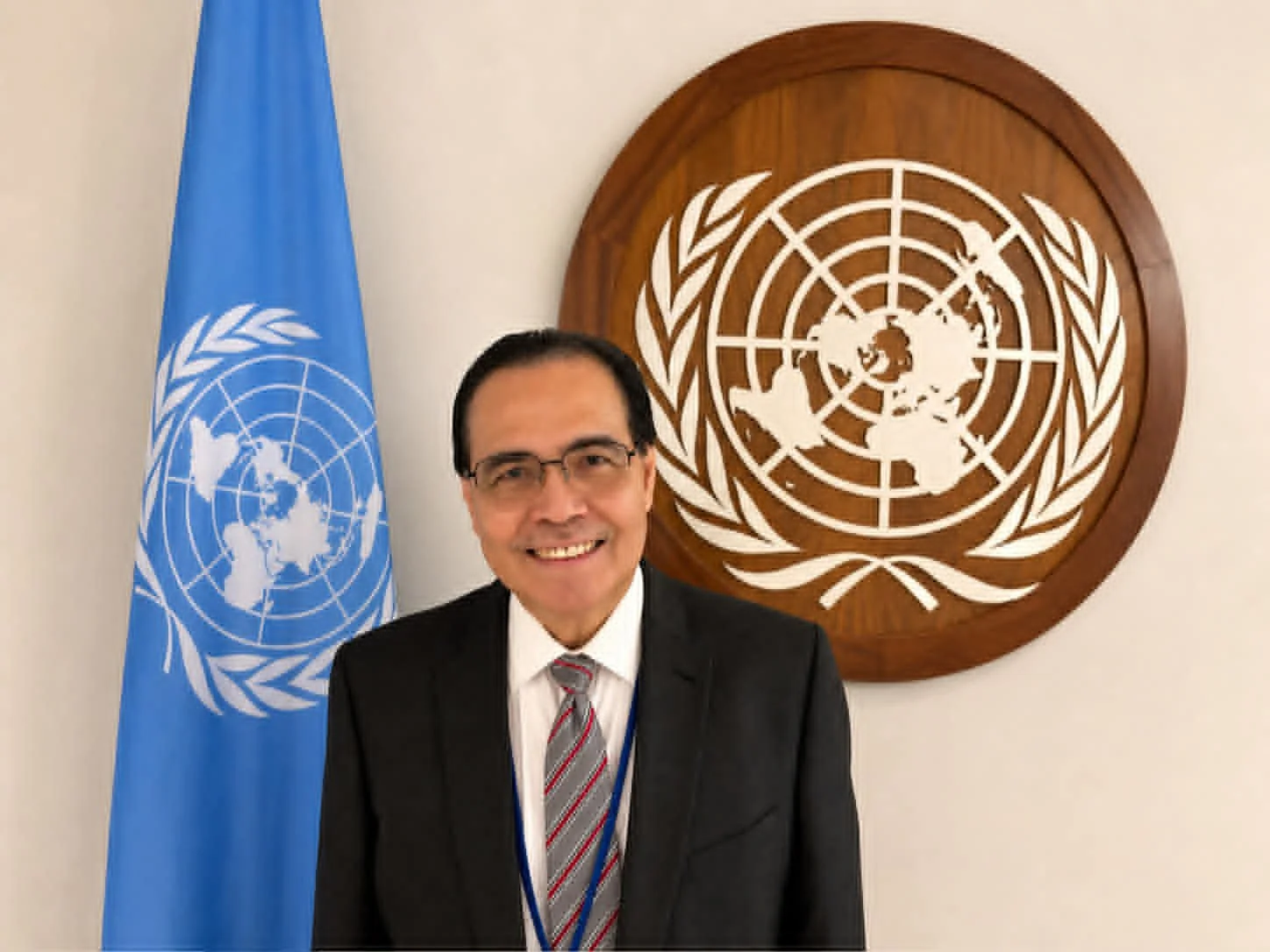
Amb. Mario de Leon Jr.: “If this joint format is replicated and institutionalized, it may help move the UN from merely a forum for grievances between North and South to a platform for designing the systems that development now requires.
The shift from aid to strategic finance, from access to agency, and from connectivity to AI-enabled innovation is more than a thematic adjustment. It is a recognition that, in the twenty-first century, development will be determined by who can create value from knowledge, data, technology, and human talent.”
UN as the platform for partnerships and multistakeholder collab, not just for optics
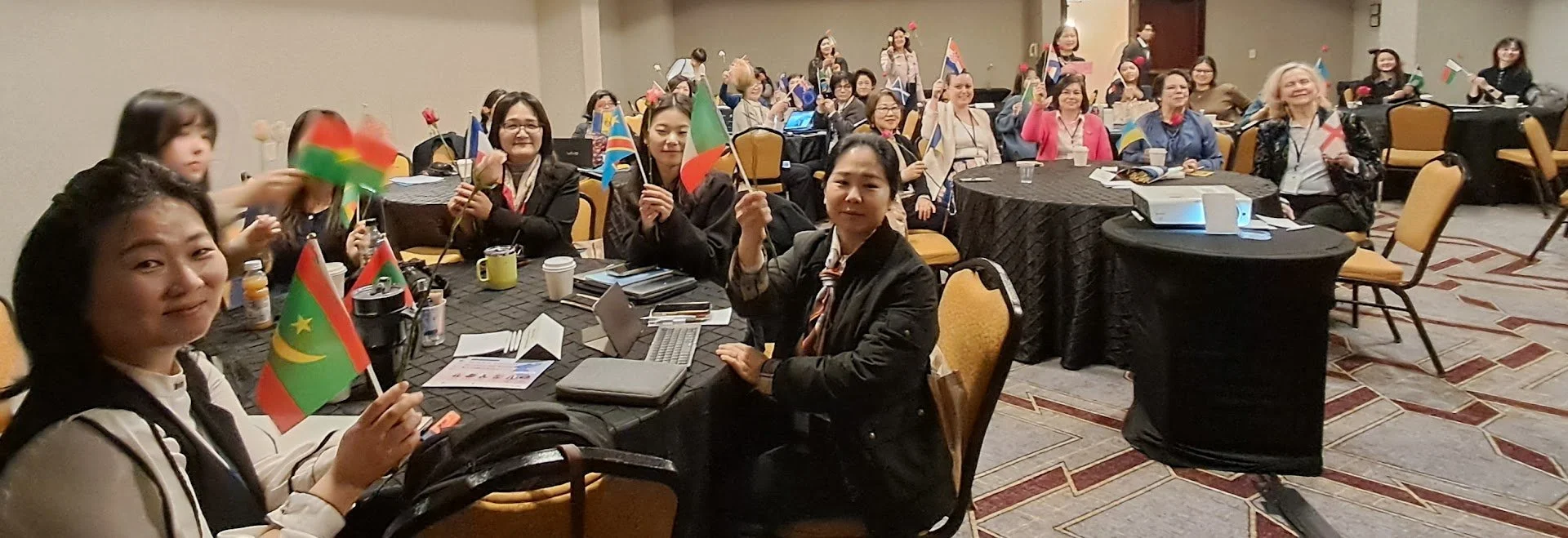
Eighty-year-old United Nations organization has this reputation of being a lame giant for having failed to deliver on its own deliverables – the lofty goals of world peace and justice. In informal circles, it has this monicker NATO – no action, talk only. How have we walked the talk?

Look back: Indigenous wisdom heals people, Mother Earth
It is imperative to include the rich traditions and cultures of the First Nations back into our modern life and in school curriculums from elementary throughout graduate school because indigenous wisdom is key to heal society’s misery. We must institute the holistic values of self-respect, love for Mother Nature and community, and cooperation inherent in the culture of indigenous peoples.

How Nora Aunor shaped my life…
During my grade school years, I was ostracized for being gay and a Noranian. I always found strength in Ate Guy’s characters in the movies. It made me feel positive. She was indeed a reflection of our lives! I had a classmate who I have ignored since 1980 because he told me Nora was ugly!

De Leon on Peace and Development – Through a Diplomatic Lens
Amb. Mario de Leon Jr.: Diplomacy practiced at the human level can bridge divides, preserve dignity and respect, and ensure that peace and development reinforce each other in the lives of ordinary people.

Student paper Today’s Carolinian, born by the struggle of the student movement in USC
My alma mater USC witnessed the rise of the student government, primarily through the STAND party in 1981. Two years later, the student publication was established in 1983 also upon the effort of the STAND party.
Known as Today’s Carolinian, after the defunct The Carolinian (shut down in 1971), the student paper formally came to life when Ninoy Aquino was assassinated and the Philippines was a smoldering volcano.

Sneak peek to corruption: The words are “AKO ANG BAHALA SA IYO”
How do you stomach stolen wealth while your countrymen live in poverty? How can you swim in your fancy pools when your countrymen swim in floods along with all their belongings?

Journalism ethics is a must, but ultimately the journalist's choice
Following the journalists’ code of ethics is a must, but ultimately the decision to live such ethics is up to the journalist.

US Congress: Reform our immigration system now
People, whether undocumented or not, are a vital labor force in agriculture, healthcare, infrastructure industries, and a vast consumer market that has made the US economy vigorous. The approach to solving this immigration issue is thus legislative. Without legislative reforms, USA will continue to grow undocumented population.

Op-Ed: Health Care CEO warns of dangers of cutting HIV/AIDS budget
As the CEO of Apicha Community Health Center, a Federally Qualified Community Health Center (FQHC) with a long tradition of providing high quality and culturally responsive care for Asian and Pacific Islanders (API) and other communities most deeply impacted by HIV, and as a board member of the nonprofit Medicaid health plan Amida Care, I’ve witnessed firsthand the critical importance of HIV/AIDS programs.
Reductions in HIV programs undermine our progress and threaten the health of the very people who need these services the most.