UN as the platform for partnerships and multistakeholder collab, not just for optics
By Dr. Marivir Montebon
New York – Eighty-year-old United Nations organization has this reputation of being a lame giant for having failed to deliver on its own deliverables – the lofty goals of world peace and justice. In informal circles, it has this monicker NATO – no action, talk only.
But has the UN really failed?
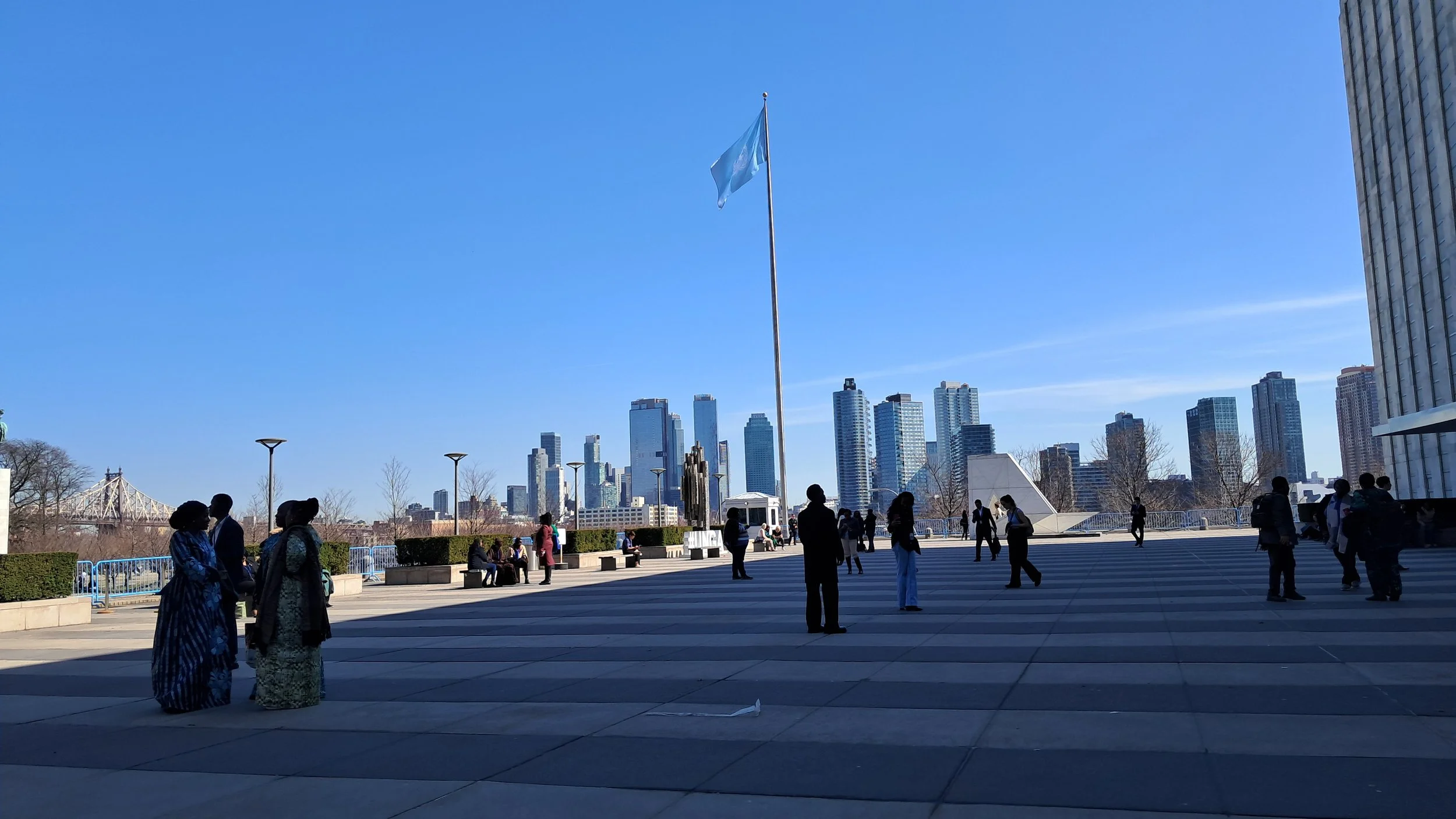
The UN New York Headquarters
The UN itself has released its report that only about 35% of the Sustainable Development Goals (there are 17 goals) have been reached.
Additionally, several women leader-veterans of the Beijing Women’s Conference (30 years ago) noted that the modest gains on women leadership and local economic development have experienced setbacks, at least in the past five years, because of wars and the emergence of dictatorships in various member states.
Perhaps, we should look a little bit closer.
Governance and IT expert Dr. Rior Santos encouraged leaders attending the recently concluded leadership and advocacy training organized by the Women’s Federation for World Peace International – to hold power to account at the local level.
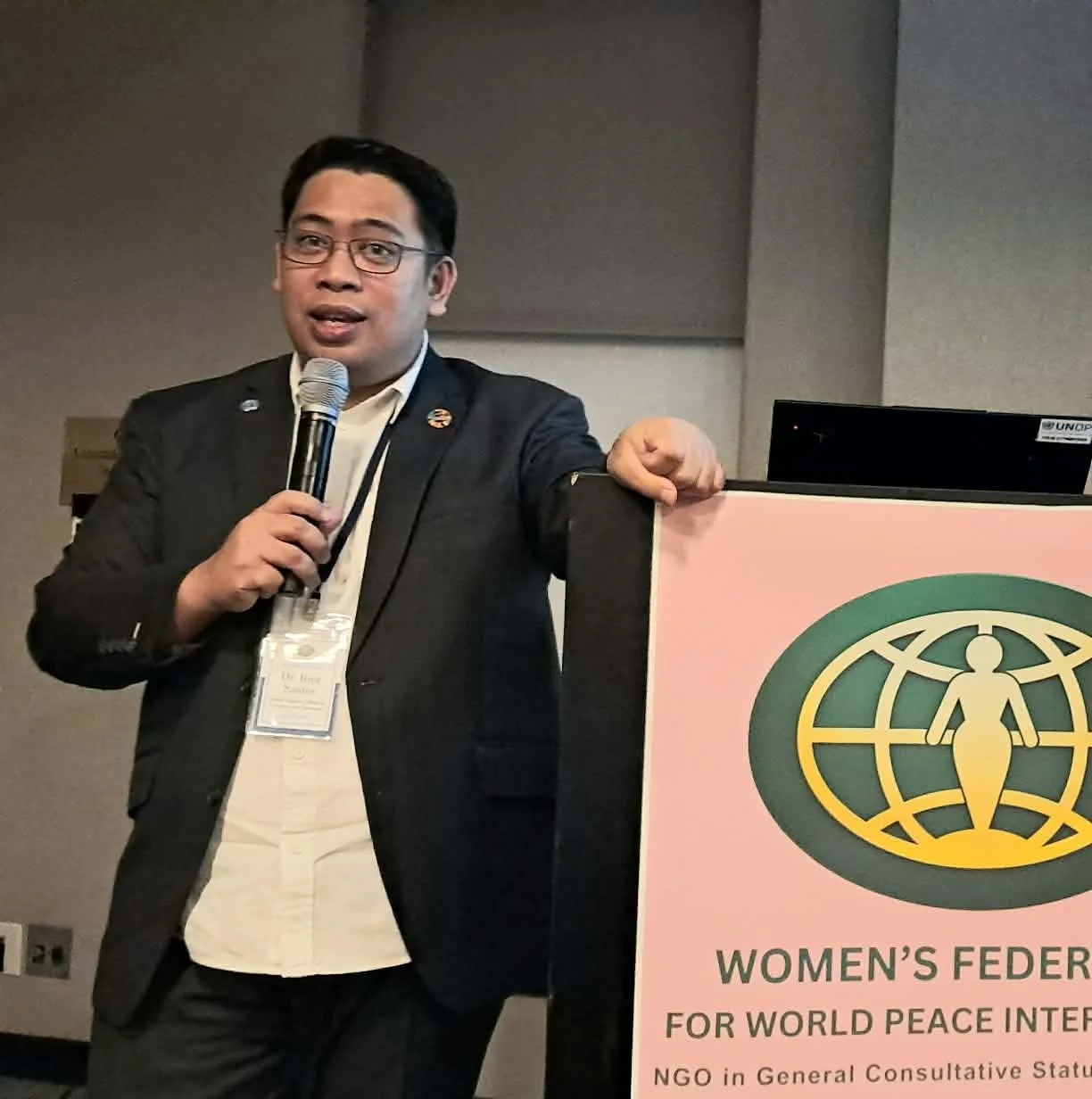
IT and governance expert Dr. Rior Santos
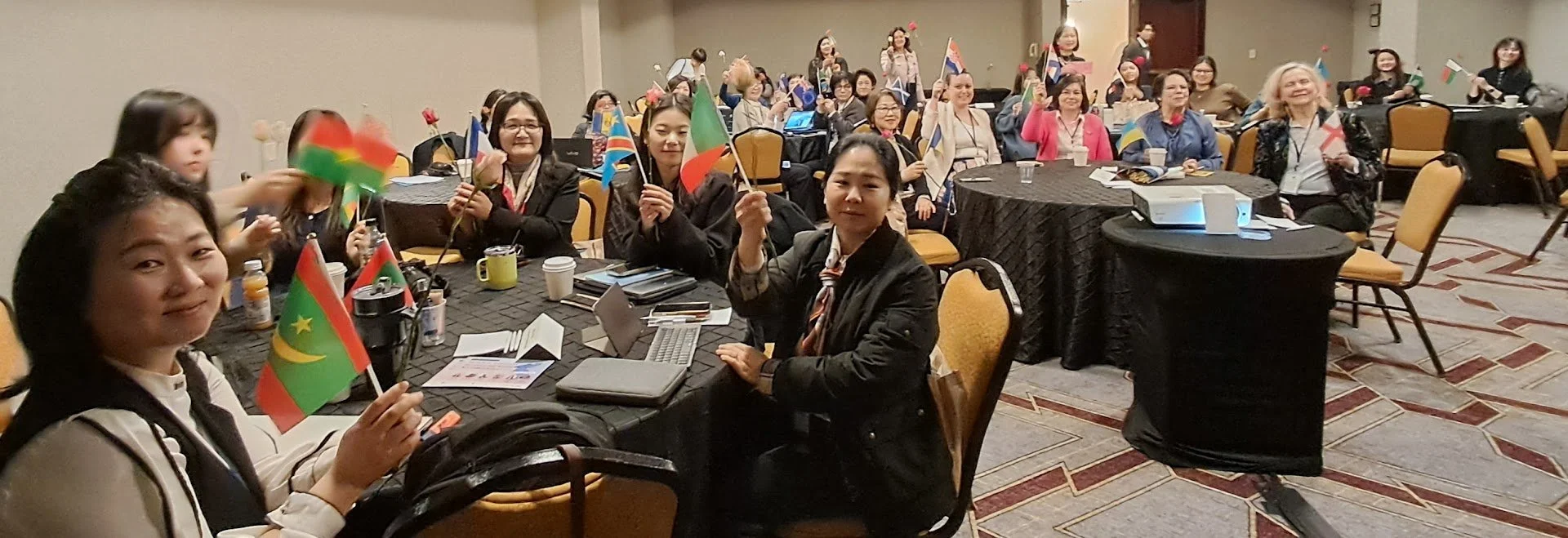
WFWPI leaders in training during the CSW70 session of the UN ECOSOC.
Santos emphasized that “while we enhance our organizational and leadership capabilities, we must also hold power accountable. We must check if government has delivered based on their commitments to SDGs.”
What I am driving at is – the big failure of UN must be seen an accumulated effect of the localized shortcomings of its member states. Socio-economic and political problems are effectively addressed in a multi-stakeholder approach that includes government, civil society, and private businesses.
The imbalance of political and economic power has increased in this decade. It’s the same superpowers acting up (the ones who lord over the Security Council with veto power, for example), with no regard of the poorer member states. Power equitability has fallen big time at the UN.
Let’s all walk the talk.
In our own little ways too, we need to add to the relevance of the UN. Delegates need to go beyond using the place as a photo opportunity area and walk the talk instead.
I believe that leaders should come over intentionally bringing their own local contributions of transformative experiences on the ground and amplifying it on the global platform. Not the other way around – a mere pasikat (Filipino term for pushing popularity using optics, something “Instagrammable,” for instance).
The UN is a platform to further strengthen ongoing projects and programs through partnerships and multistakeholder collaboration.
Young leaders seeking meaningful lives could come in here for internships, to be mentored by older generations for sustainability and improvement on systems and structures.
In this manner, we all embody the glocal wisdom of thinking global, acting local. That we are doing something positively transformative in our communities for public good, not individual glory.
Through this, the UN may not be a dismal failure, after all. That it’s not really NATO (no action, talk only monicker), but still the global venue where we respect and listen to each other for the sake of civility and global understanding and action. #