Essay: Unity - when “We” becomes stronger than “I”
By Dr. Keisuke Noda, Ph.D.
(This essay is part of the podcast Encounters - a mini-philosophy series built around short episodes—each one an encounter with a question, a thinker, or a tension that invites reflection rather than conclusion. Encounters puts philosophy as a living conversation, presenting the themes of what it means to be human in the age of AI, a time of temptation, of power, and the search for meaning.
Dr. Noda, a philosopher, educator, and Vice Provost at HJI Graduate School for Peace & Public Leadership in Manhattan brings us to this essential conversation. Check this out https://www.encounters-philosophy.org/episodes/en/009-unity ).
Unity can feel like warmth and belonging. It can also turn into a force that narrows judgment - especially when identity becomes the price of membership.
Reflection
Some influences do not persuade by argument. They persuade by belonging.
“Unity” is the moment when a message stops sounding like an opinion and starts sounding like us. It can happen through family, religion, nation, profession, fandom, or a community formed online. Once a shared identity takes hold, agreement can feel less like a conclusion and more like loyalty.
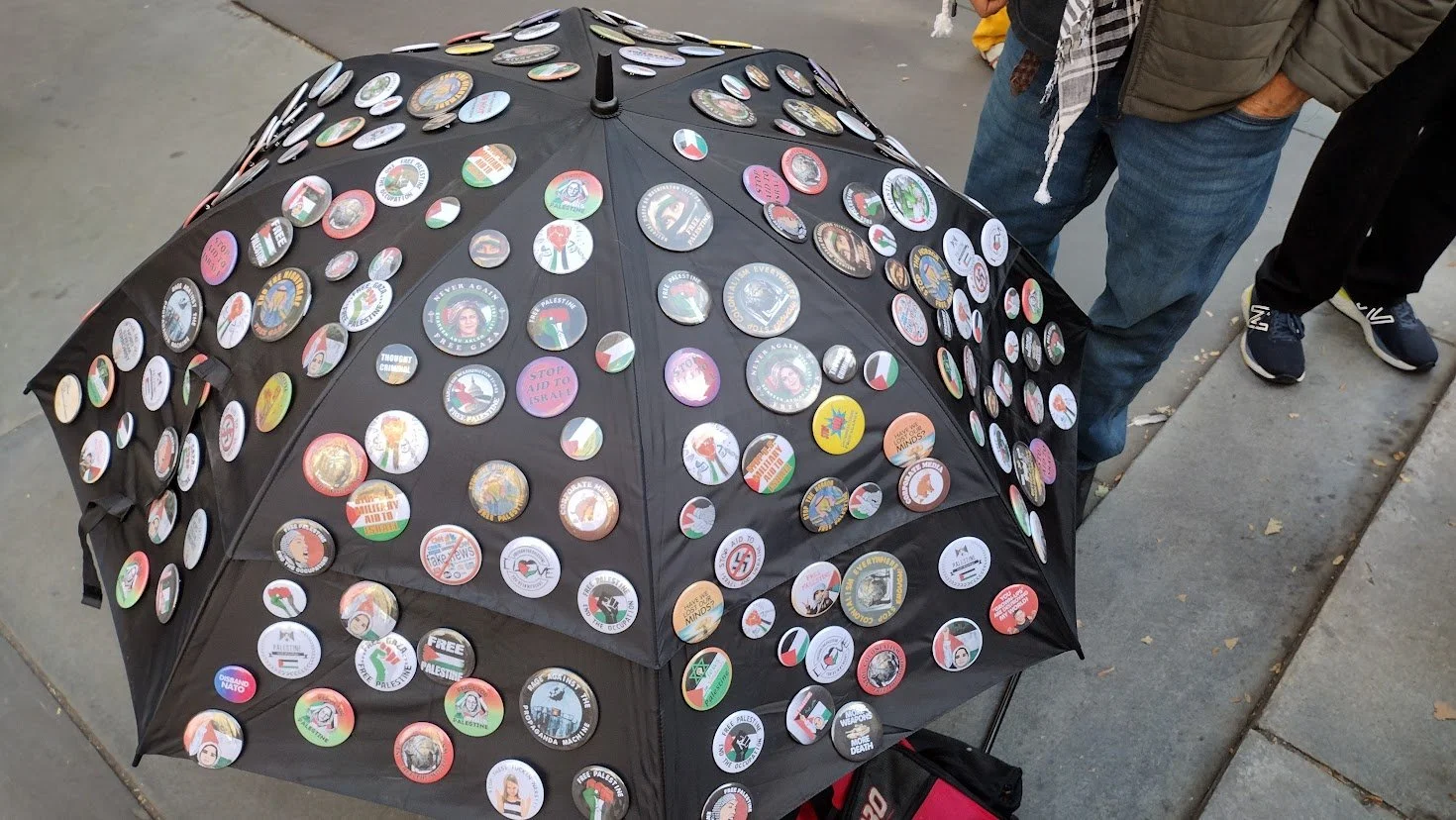
Unity is not simply “good” or “bad.” It is a human need that can be honored—or exploited. The philosophical tension is this: How can belonging support moral life without replacing judgment?
This is why unity can be powerful in good ways. It can hold people together through hardship. It can create trust, mutual aid, sacrifice, and the courage to act for others. Many of the best human lives are sustained by some form of “we.”
And yet unity has a shadow. The same bond that makes solidarity possible can also make dissent feel like betrayal. The question quietly shifts: not “Is this true?” but “Is this ours?” In that shift, judgment can narrow. Doubt becomes emotionally costly. To disagree is not only to think differently, but to risk losing a place to stand.
In the digital age, unity can be manufactured at speed. Platforms do not merely connect individuals; they can cultivate tribes. Symbols, slogans, rituals, inside jokes, shared enemies—these can form a sense of “family” without the slow work of living together. The reward is immediate: recognition, certainty, belonging. The cost can also be immediate: hostility toward outsiders, suspicion of nuance, and a pressure to perform identity rather than seek understanding.
Unity, then, is not simply “good” or “bad.” It is a human need that can be honored—or exploited. The philosophical tension is this: How can belonging support moral life without replacing judgment? How can a “we” enlarge the self rather than shrink the world?
Perhaps the task is not to abandon unity, but to ask what kind of unity we are entering—and what it asks from us in return.
Unity can be a home. It can also become a boundary. The question is whether belonging deepens our humanity—or narrows it.
Questions for Thinking
Think of a community where you feel a genuine sense of “we.” What does it give you—strength, meaning, courage, protection? What does it quietly ask of you?
Recall a moment when disagreement felt risky—not intellectually, but socially or emotionally. What, in that situation, was most at stake: truth, harmony, belonging, status, or safety?
When does unity become mature solidarity, and when does it slide into conformity? What is one sign—small but concrete—that tells you the difference?