Stages of Resistance: A conversation on theatre and truth opens the 2026 Fil-Am History Month
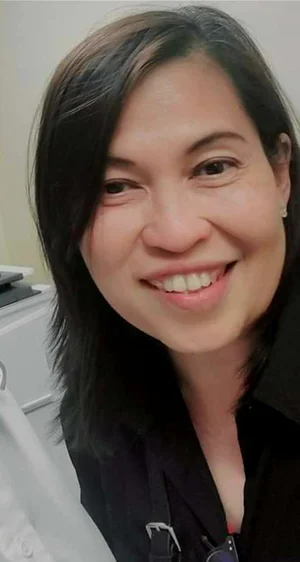
By Marivir R. Montebon
New York – The Filipino American History Month of October opened with a two-day conference on theatre and politics organized by the Ma-yi Theater Company on October 1 and 2, 2026 at the Open Bar Studios on Times Square.
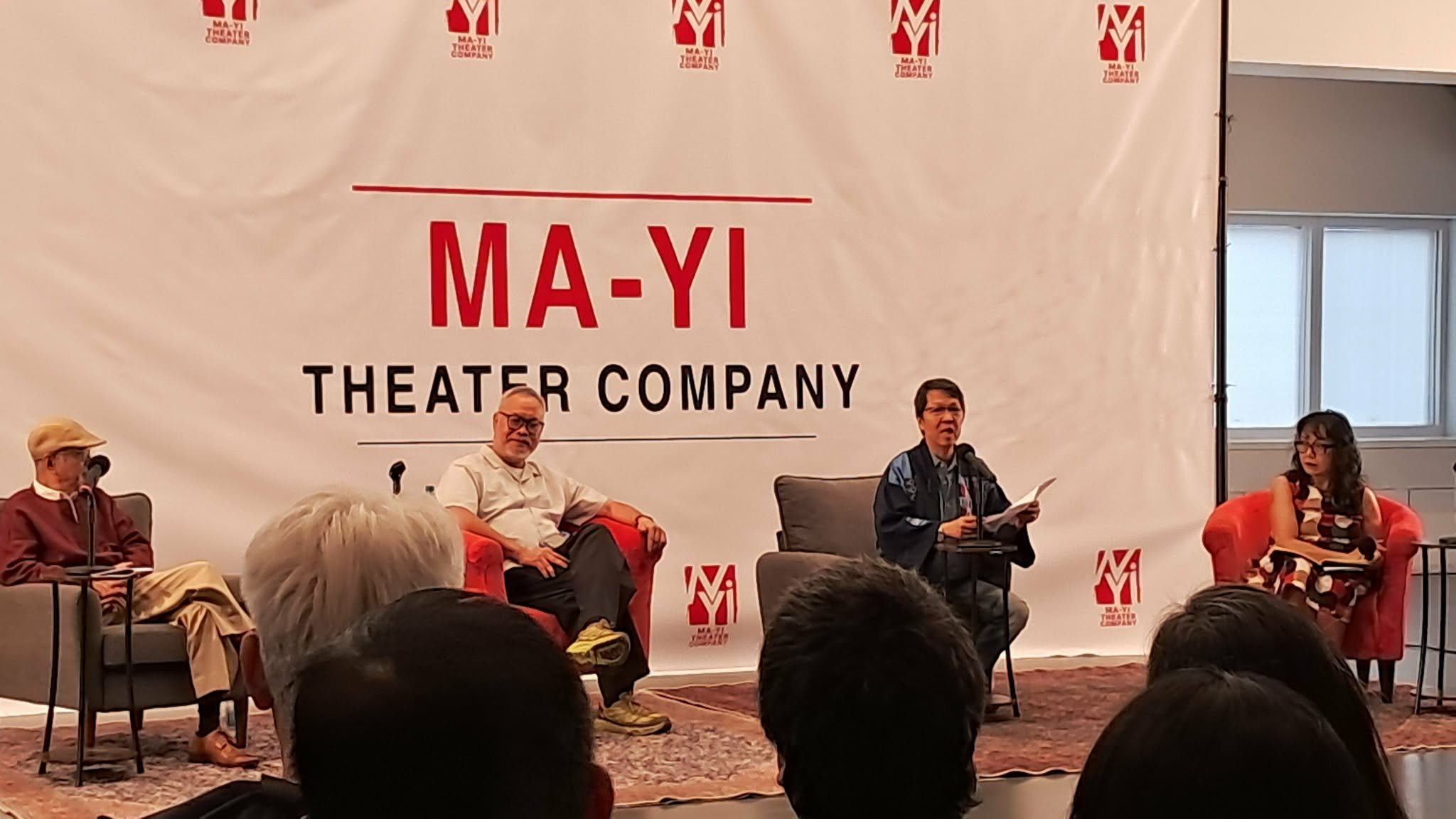
L-R: Remembering the art of resistance: Ilagan, Millado, and Pichay. Moderated by Nerissa Balce.
Stalwarts in Philippine theater and literature composed the panel of remembrances in the two-day affair led by Ralph Pena, artistic director of Ma-yi Theater. Titled Stages of Resistance: Theater, Memory, and the Politics of Truth, the forum was well-attended by Filipinos in New York.
Day 1 was keynoted by Bonifacio Ilagan, an award-winning playwright, filmmaker, journalist, and activist. Ilagan was among the thousands of young people arrested during Martial Law who later transformed his personal experience into a protest theatre and human rights advocacy.
Day 2 had Philippine National Artist Nicanor Tiongson as keynote speaker, along with literary scholars and playwright Jerry Respeto and Roland Tolentino. Barnard College professor Neferti Tadiar moderated the panel discussion.
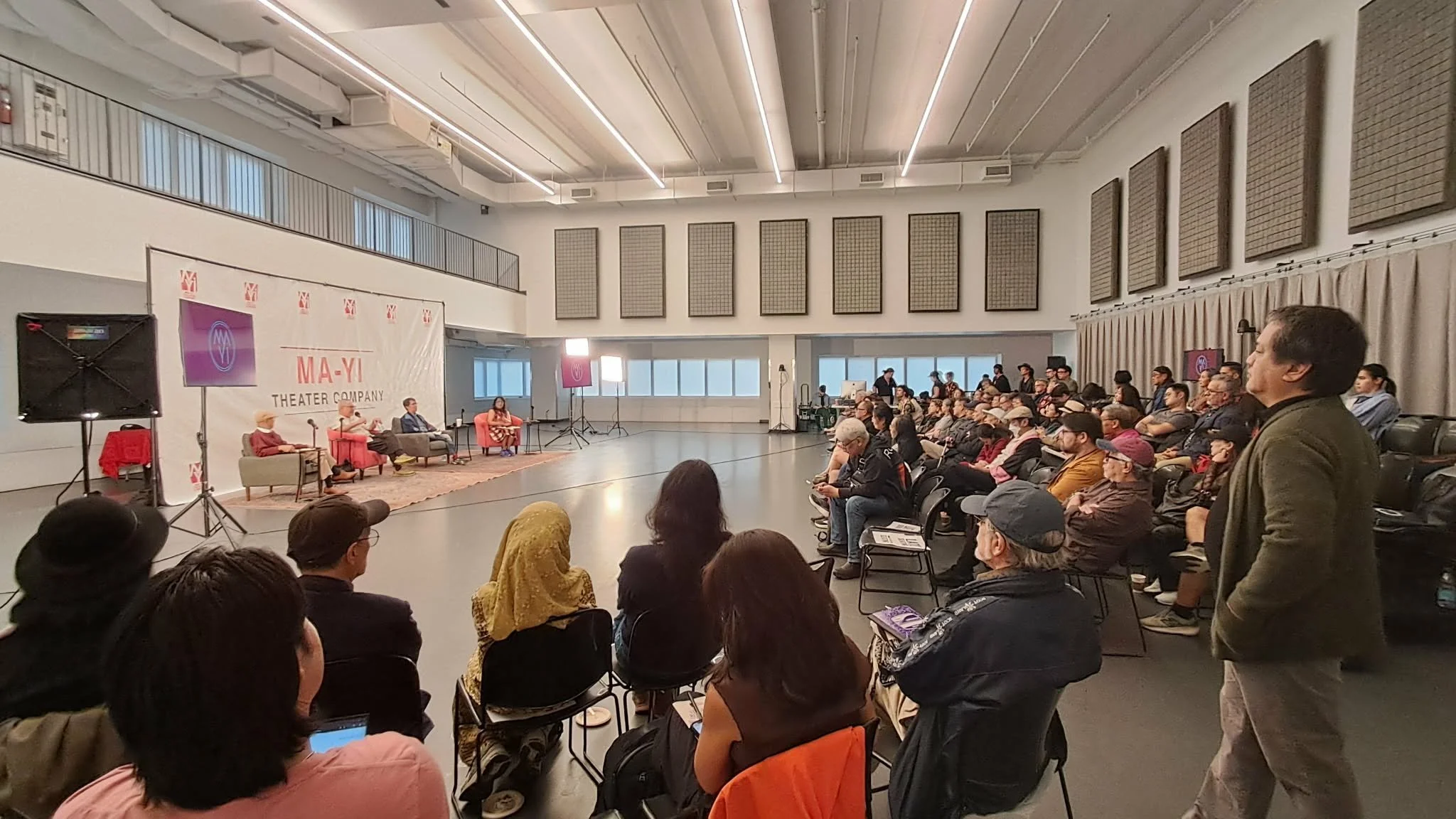
A poignant question from the audience hit hard. If the arts were so powerful, where in history did it fail, that former activists flipped, and the people forgot to hold on to defend their rights?
Tiongson is a professor emeritus at the UP Film Institute and an icon in performance history, criticism, playwriting, and cultural policy.
Luminous playwrights Chris Millado and Nicolas Pichay joined Ilagan in the October 1 panel discussion which was moderated by Fil-Am scholar educator Nerissa Balce.
Millado co-founded UP Tropang Bodabil and later served as vice president and artistic director of the Cultural Center of the Philippines. Pichay, a poet and lawyer, is a Palanca Hall of famer for his work on history, poetry, and literature.
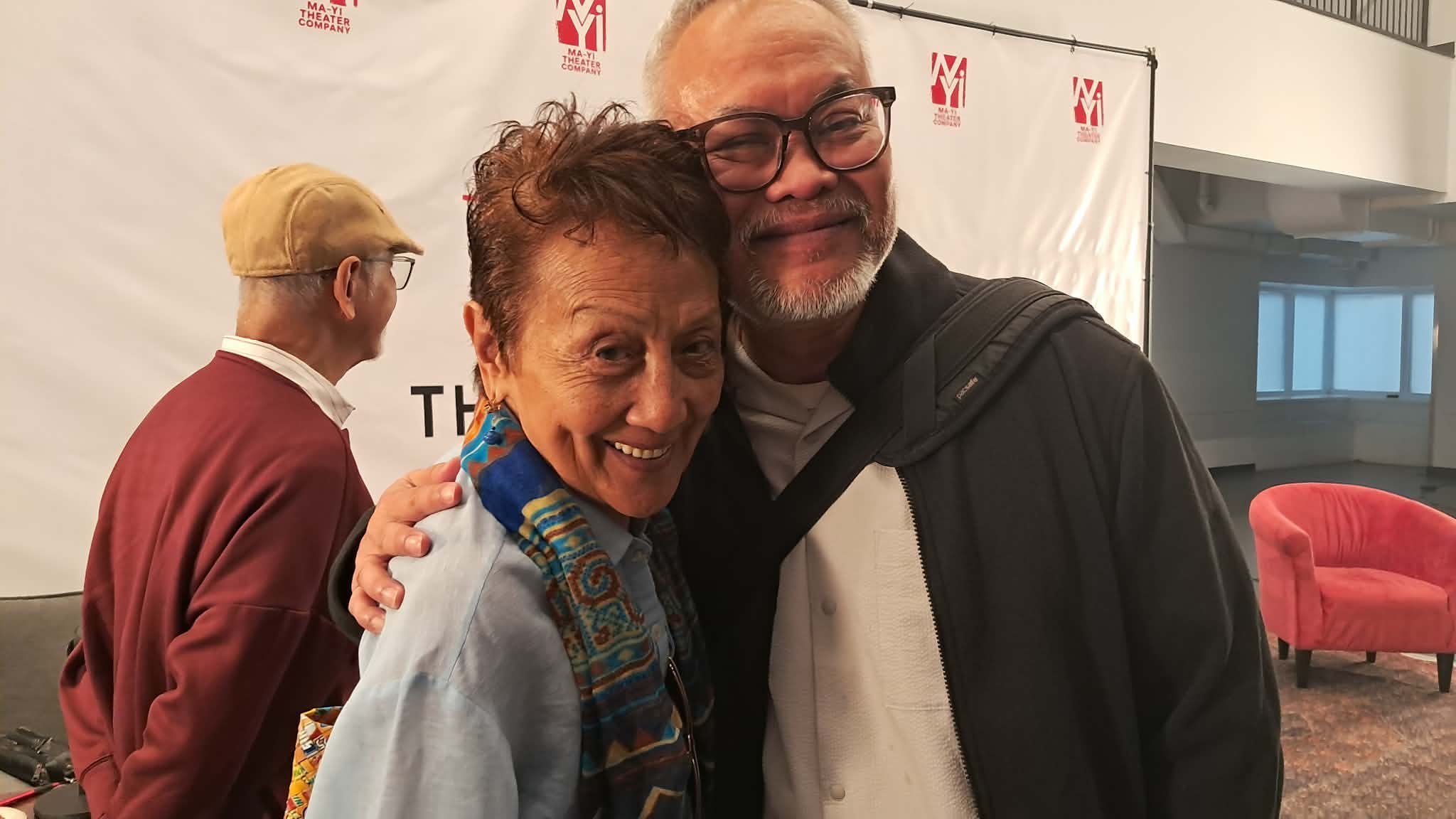
Millado with FilAm actress Ching Valdes-Aran.
The three speakers took the audience back in time when theatre and literary arts were the vehicle for resistance against the Marcos dictatorship, that tumultuous period of the mid-1960s and throughout the 1970s and 1980s.
A poignant question from the audience hit hard. If the arts were so powerful, where in history did it fail, that former activists flipped, and the people forgot to hold on to defend their rights?
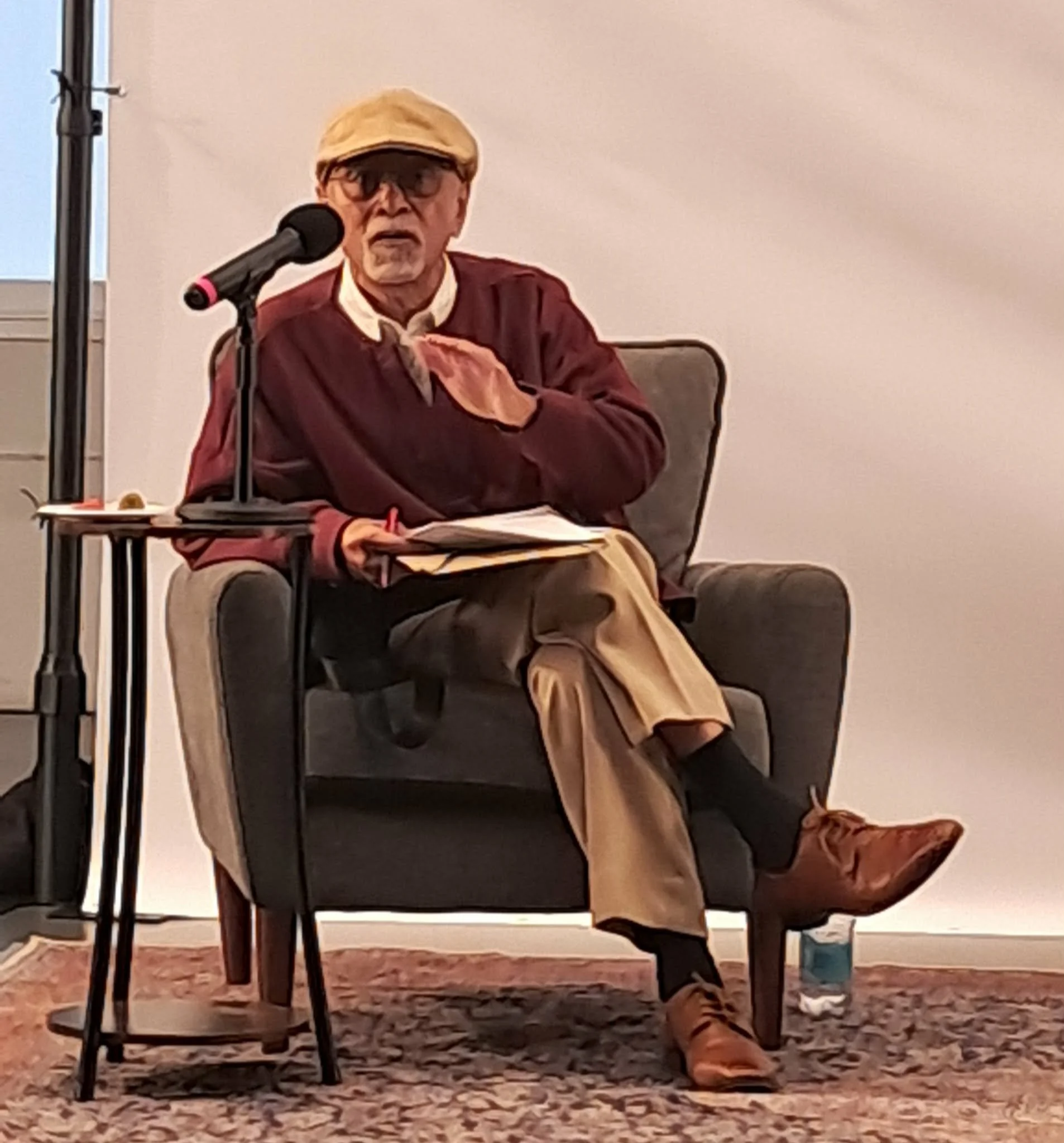
Ilagan: Intentional art
Millado offered a critical insight. The advent of social media, where political trolls burgeoned and disinformation, that was when the politics of truth was compromised, he pointed out.
On the ground, however, theater arts have remained a precursor of activism in the digital era; local organizing has remained brisk at schools and communities. Creativity remains an indomitable spirit among those gifted with talent for the arts and channeling such into organized resistance.
The Philippine Educational Theater Association (PETA) is one enduring institution that has sustained political awakenings through theatrical arts, pointed out Millado.
Ilagan said he has always been intentional in introducing his audience to cultural and political truths.
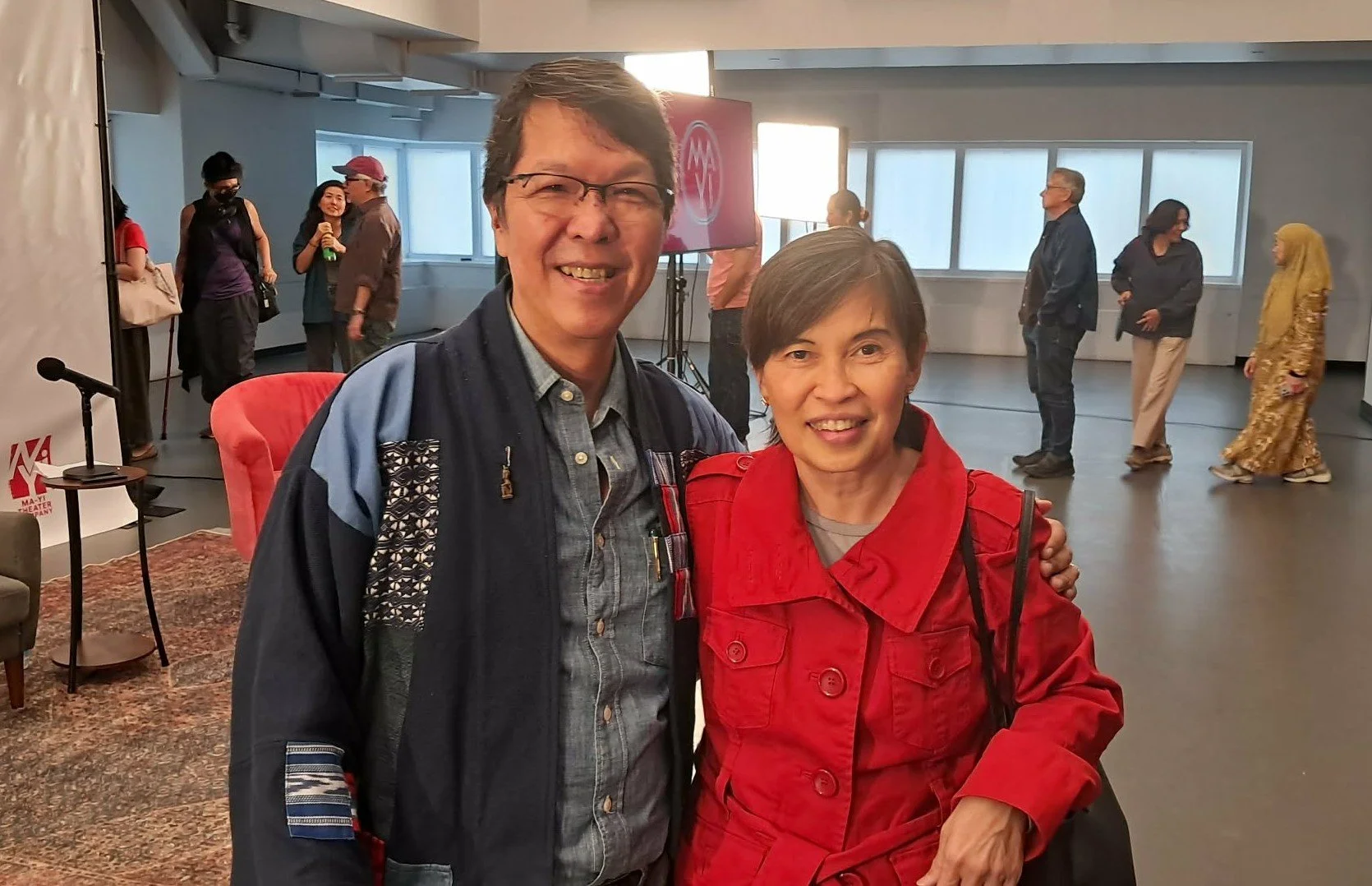
Pichay: Humor does it.
For Pichay, humor and satire were effective tools for instilling the rather heavy political realities in the Philippines. During Martial Law, he used codes and metaphors to survive political repression.
Teddy Casino, former party list representative for Bayan Muna, spoke of gratitude and guilt of his generation, the Generation X and Martial Law babies. “We were grateful for the struggles of those who restored democracy after Marcos, and guilty, for not having done enough to make things better for the next generation,” he said online from Manila.
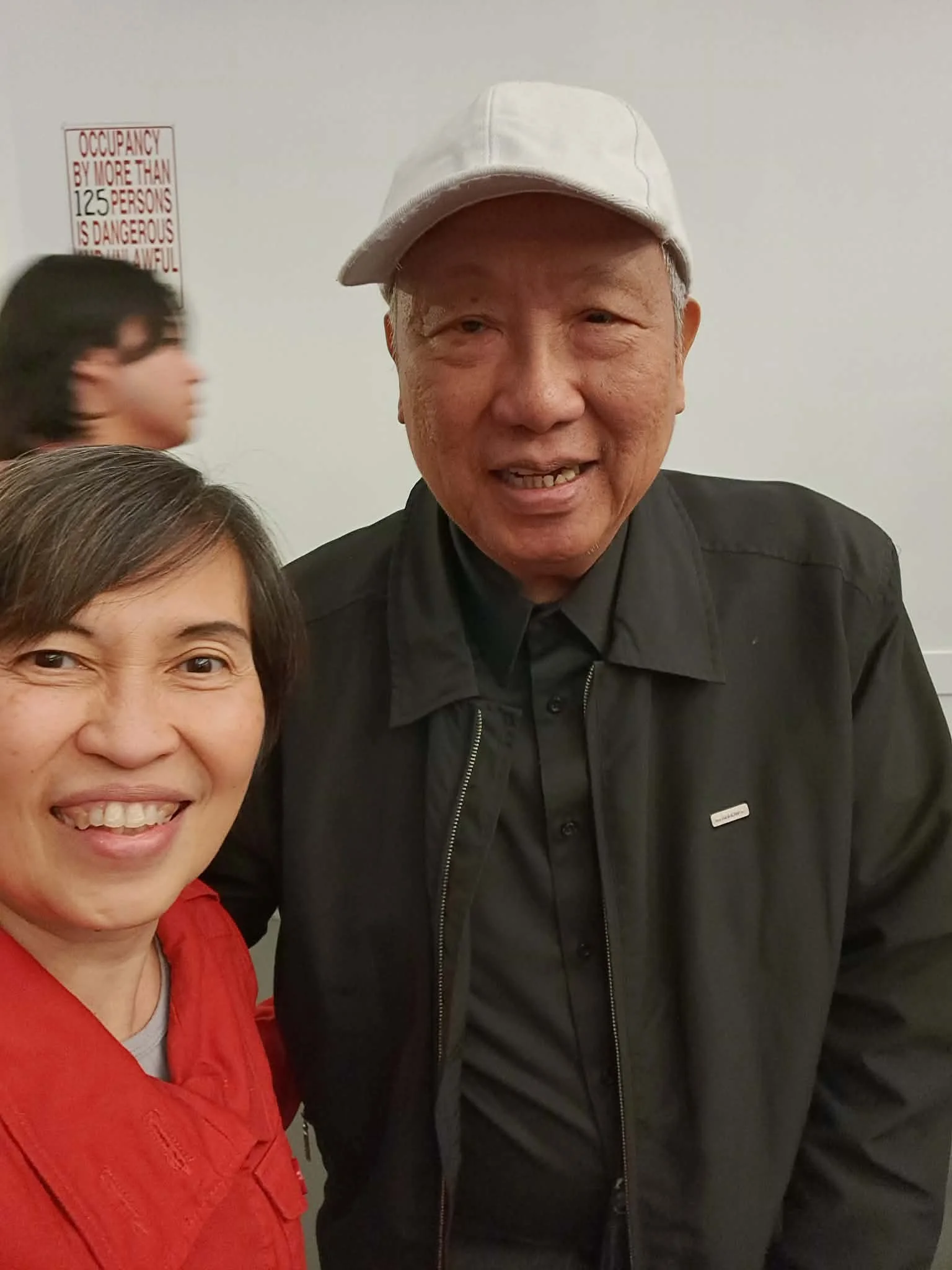
This writer with Philippine National Artist for Literature Nicanor Tiongson
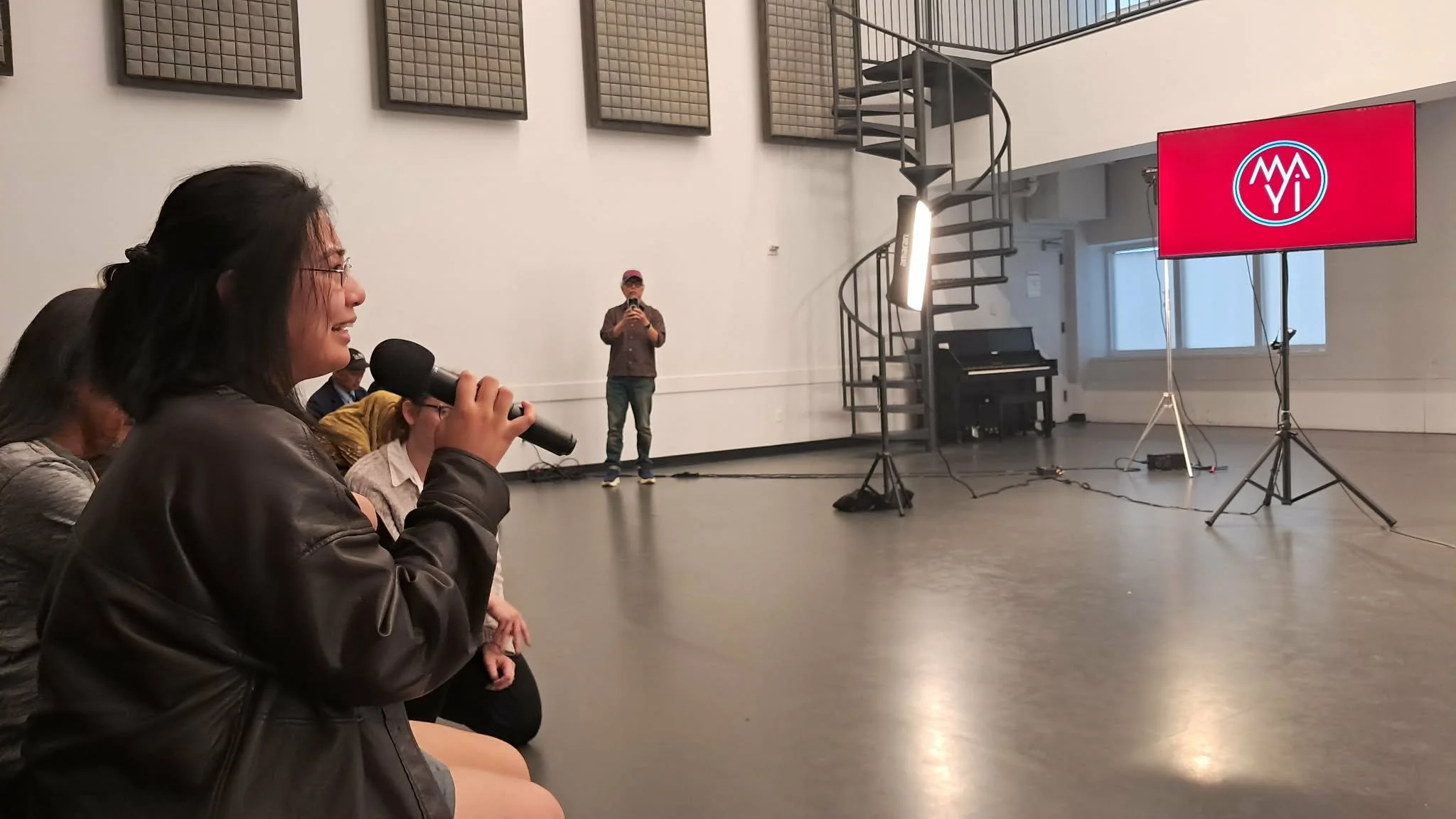
The youth today are fearful of the future.
A young Filipina student leader from the audience shared that the youth are very scared of the future. How does one continue to face the socio-political and cultural challenges today, she queried.
That was tough. The Day 1 panelists said they couldn’t design the recipe but it may still have the same elements of groundwork, humility, constant listening, and innovations to adapt to the challenges of times. #