Look for the ube kinampay for your authentic ube lattes and pastries
By Marivir R. Montebon
New York - Ube aficionados, beware. Don't get so enamored with the hype of the pricey ube lattes or pastries these days. These may just be a lot of flour, flavor, sugar, and food color.
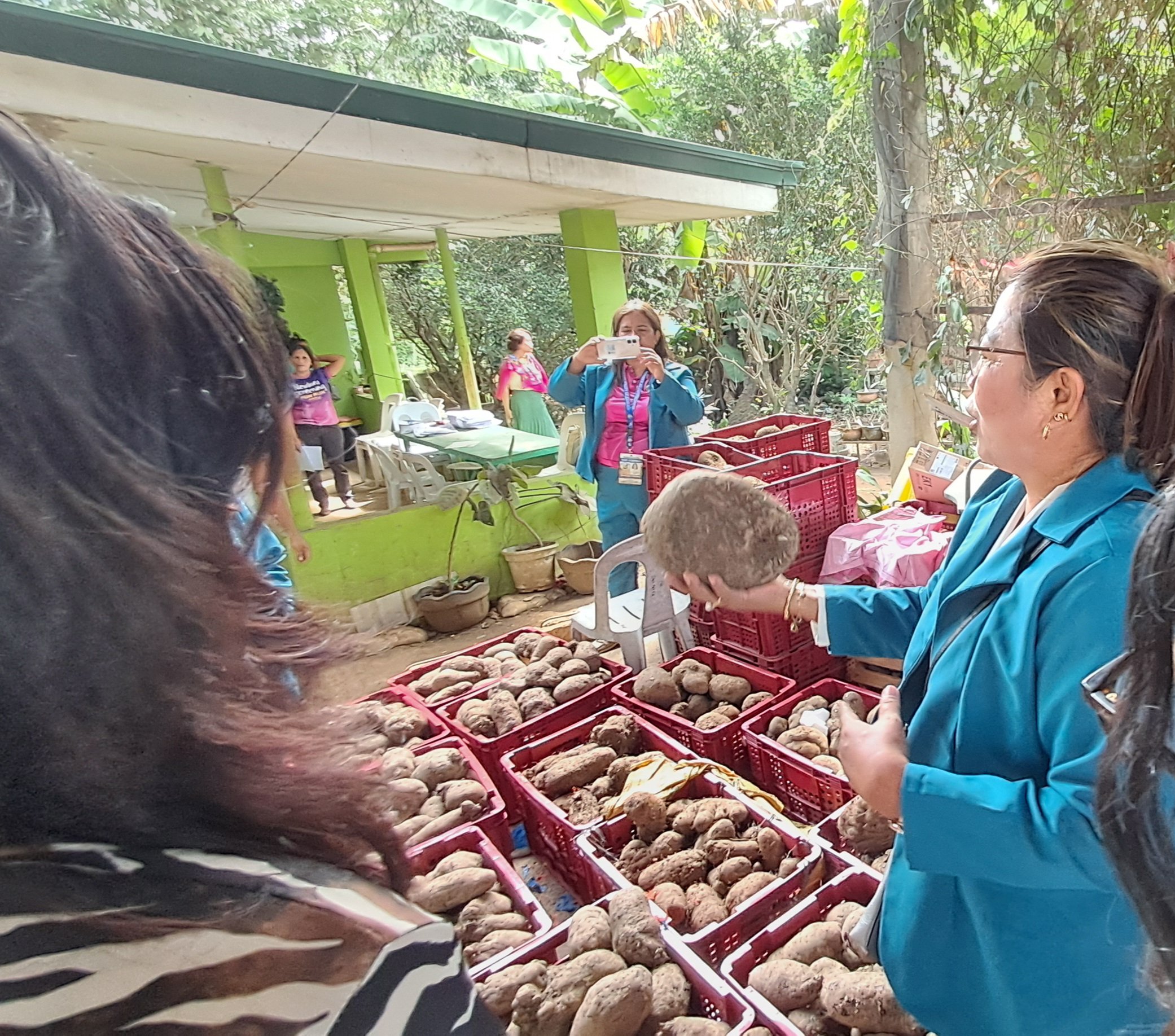
Carmen Municipal Agriculturist Arlene Cabusao shows the ube kinampay variety to guests at the Carmen Agriculture Department office in Carmen, Bohol.
You haven't really tasted the real purple yam in your pastry or shakes unless you have tried the ube kinampay (Dioscorea alata) which is endemically grown in the province of Bohol, in the Philippines.
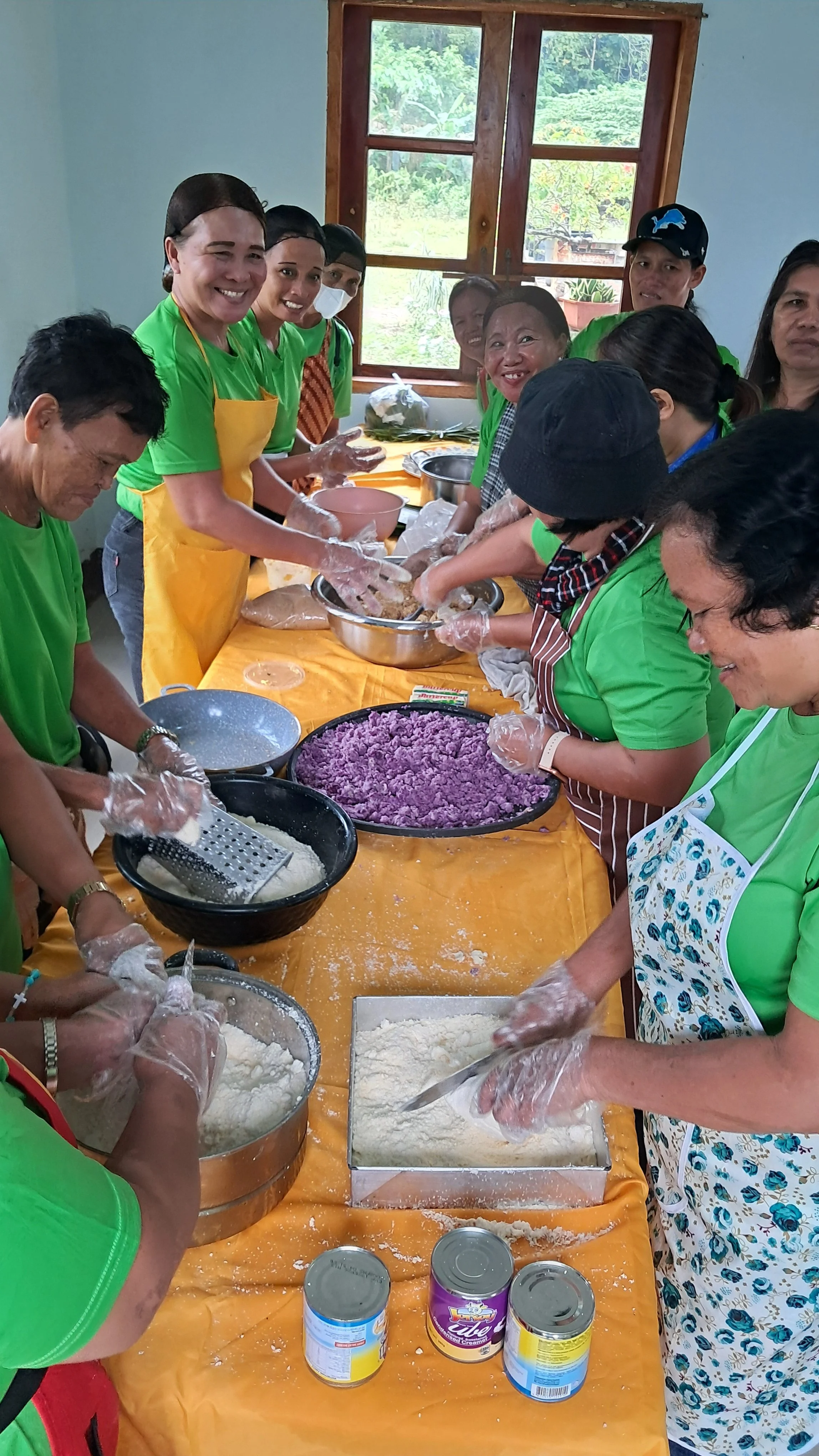
Womenfolk prepare desserts made from ube kinampay in the village of Montesunting in Carmen, Bohol.
Unfortunately and fortunately, Filipinos in the diaspora who have tasted ube in the Philippines will never be fully satisfied with what's being sold here.
The ube kinampay is reputed as the queen of purple yams. It has a distinctively rich nutty texture and sweet fragrance to it. It has a light purple and white color. Growing up in the Central Visayas region, my palate knows the authentic taste of ube kinampay and could distinguish what's fake.
In January this year, I was blessed to have tasted once again (after about two decades) the glorious ube kinampay - fresh from the farm and prepared by the womenfolk of Montesunting, a village in Carmen where the world famous geopark Chocolate Hills are. We were in a farm-to-table adventure of the 1st Permaculture Education Summit and Immersion Tour organized by the Women’s Federation for World Peace International.
Thanks to the leadership of Carmen Municipal agriculturist Arlene Cabusao, we saw and touched the real ube kinampay and experienced how they were being prepared to become heavenly desserts only one could imagine. She made the traditional ube kinampay for us, mashed boiled ube mixed with coconut milk and cream.
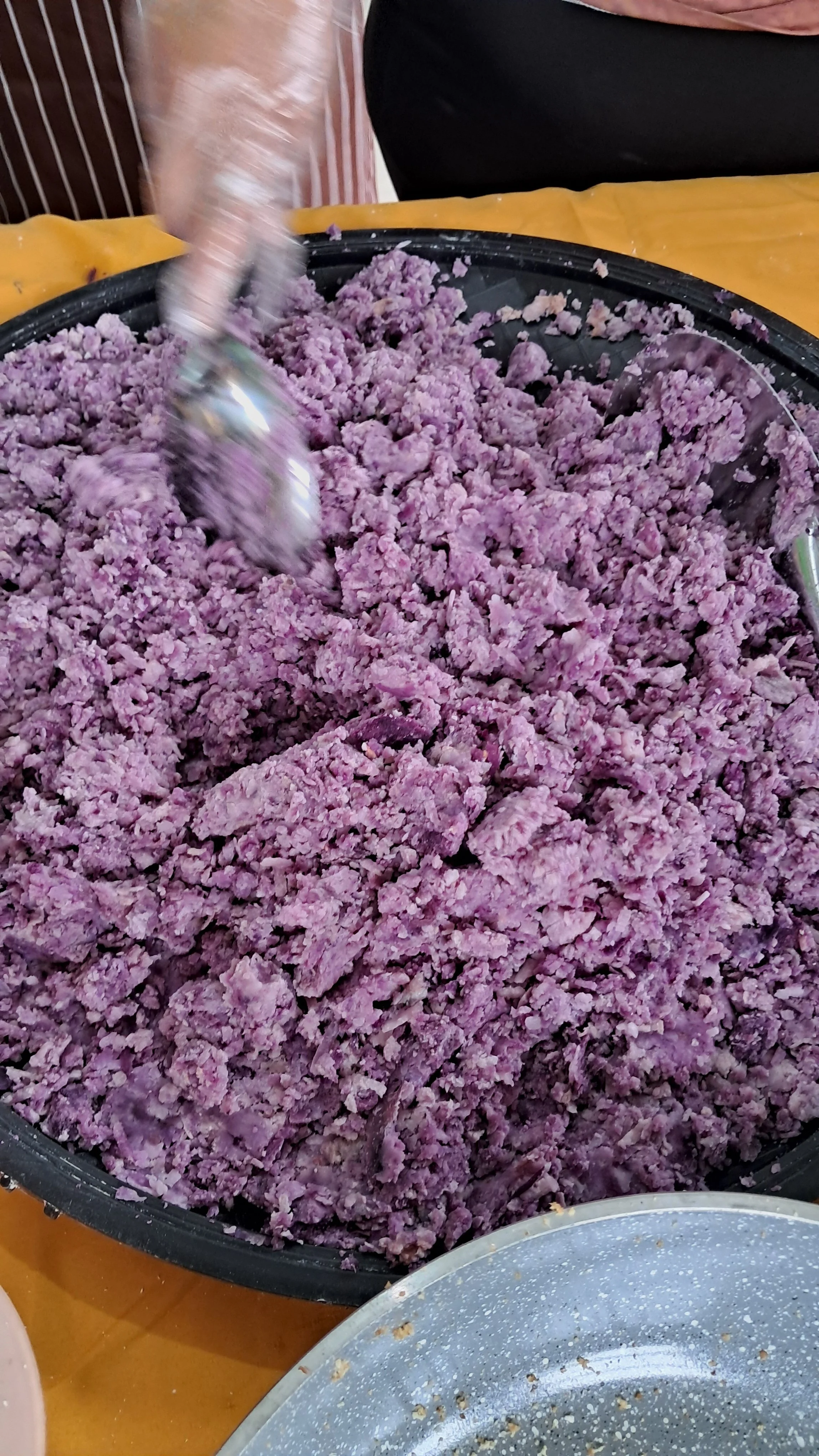
Boiled and mashed ube kinampay. See its natural and purple color.
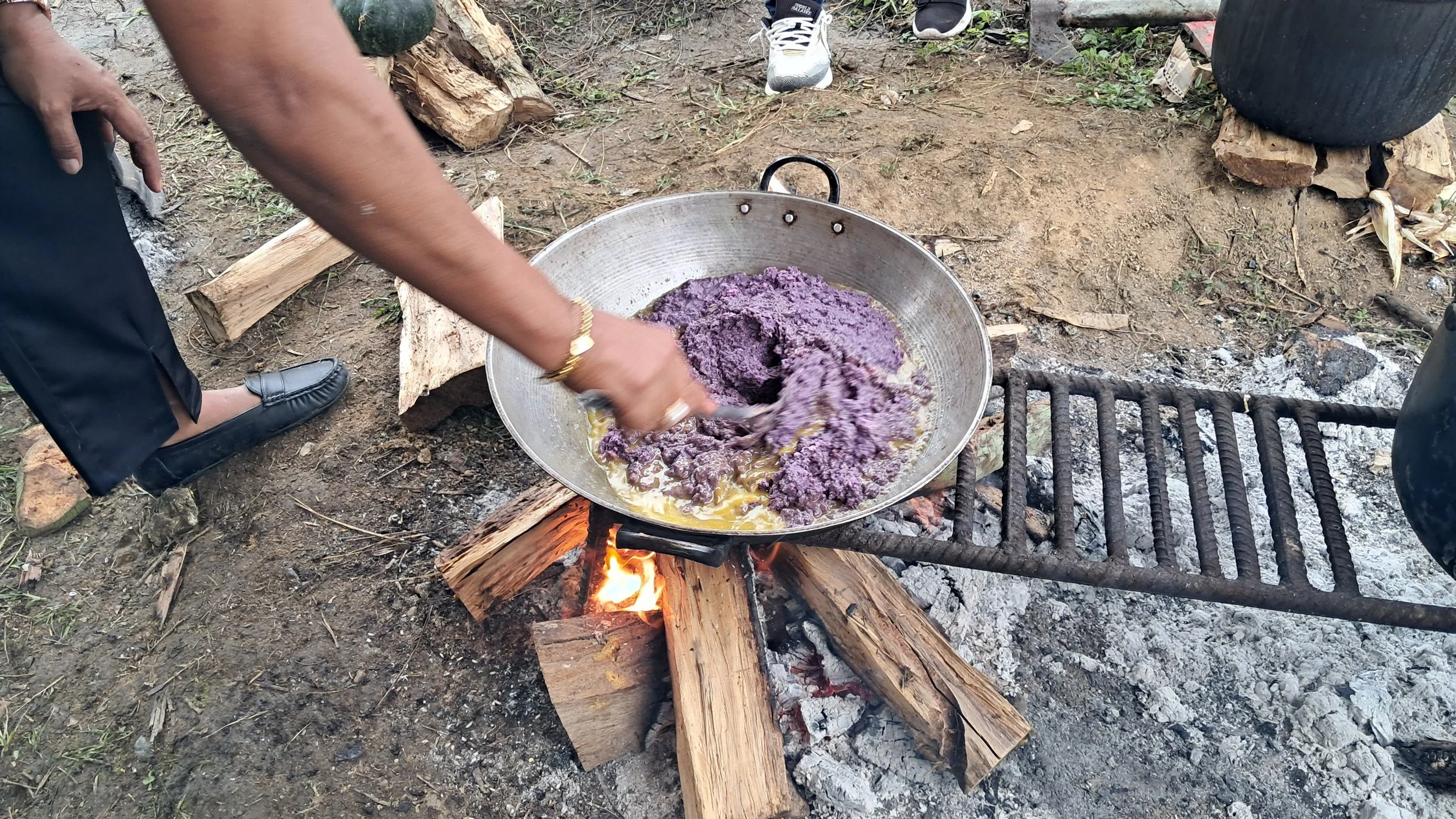
Firewood cooked-ube kinampay mixed with milk and coconut sugar.
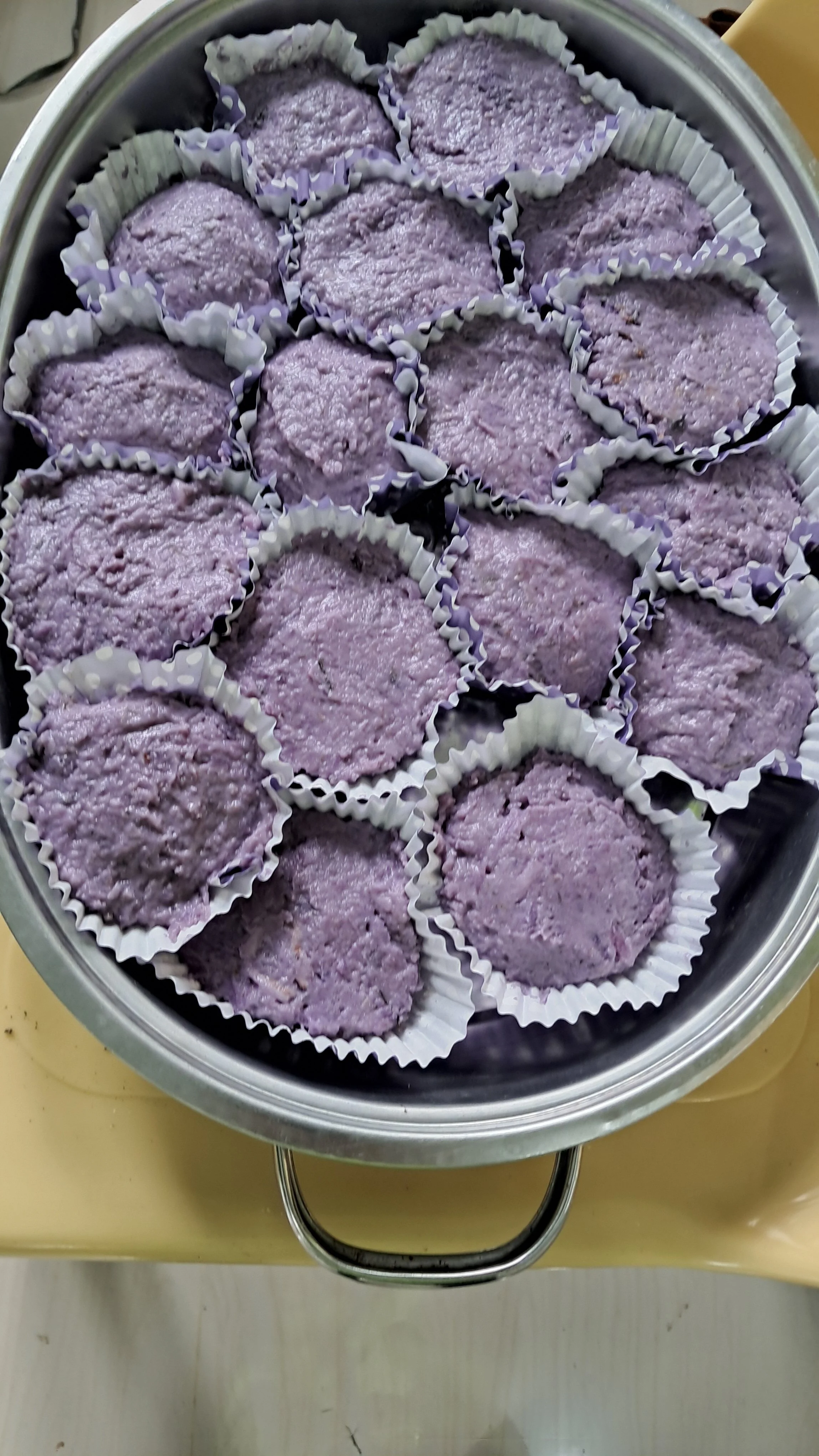
Behold, the ube dessert.
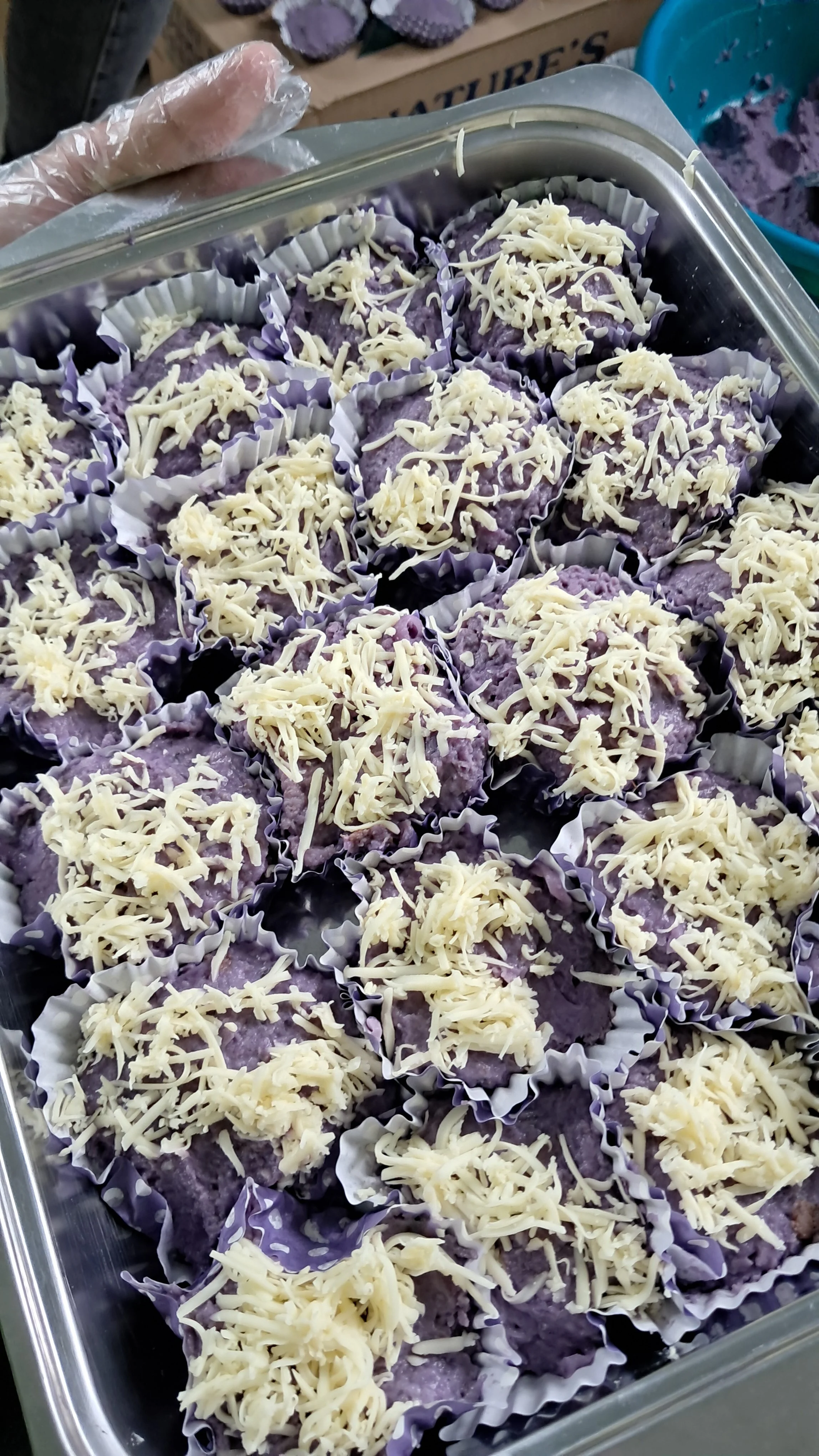
Ube with cheese.
Ube kinampay is an ancient staple in Bohol, a root crop that has a round shape, proudly attributed by natives as taking after the round shape of the island.
Oral history had it that bosomy women were made to plant ube on a full moon to ensure the full rounded shape of their ube. Planting the revered crop was accompanied with prayers.
The next time you order an ube latte or savor an ube cake, don't get so excited. Unless you know it's from ube kinampay, you haven't tasted the best.
Government subsidies for the production of ube kinampay are in the works. Hopefully, this will be honestly and rigorously implemented to increase the productivity of farmers and improve their lives and boost the industry as well.
As you see, all potential agricultural industries such as coconut and malunggay in the Philippines are lagging behind neighbors Thailand and Vietnam.
The deadline was ages ago for the Philippines to really be serious in developing sustainable agricultural industrialization in the natural resources-rich archipelago. #