Healing from Domestic Violence: Love is the Antidote to Trauma
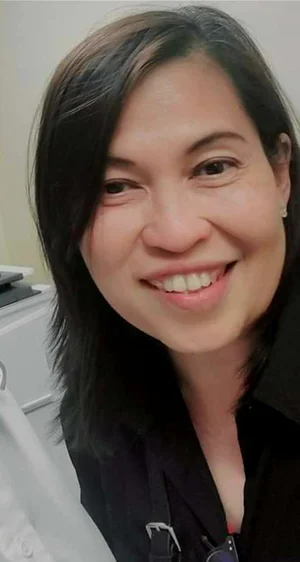
By Dr. Marivir Montebon
New York – “Love is the antidote to trauma,” Dr. Elaine Duval said it with pizzazz during the community forum on domestic violence “These Hands Don’t Hurt!” at the Hope & Esperanza Community Health Center in Newark.
“It’s the self-love and self-preservation that will prod you to escape from your abuser. That takes time. Healing begins when you forgive and move on with your life and begin to help others.”
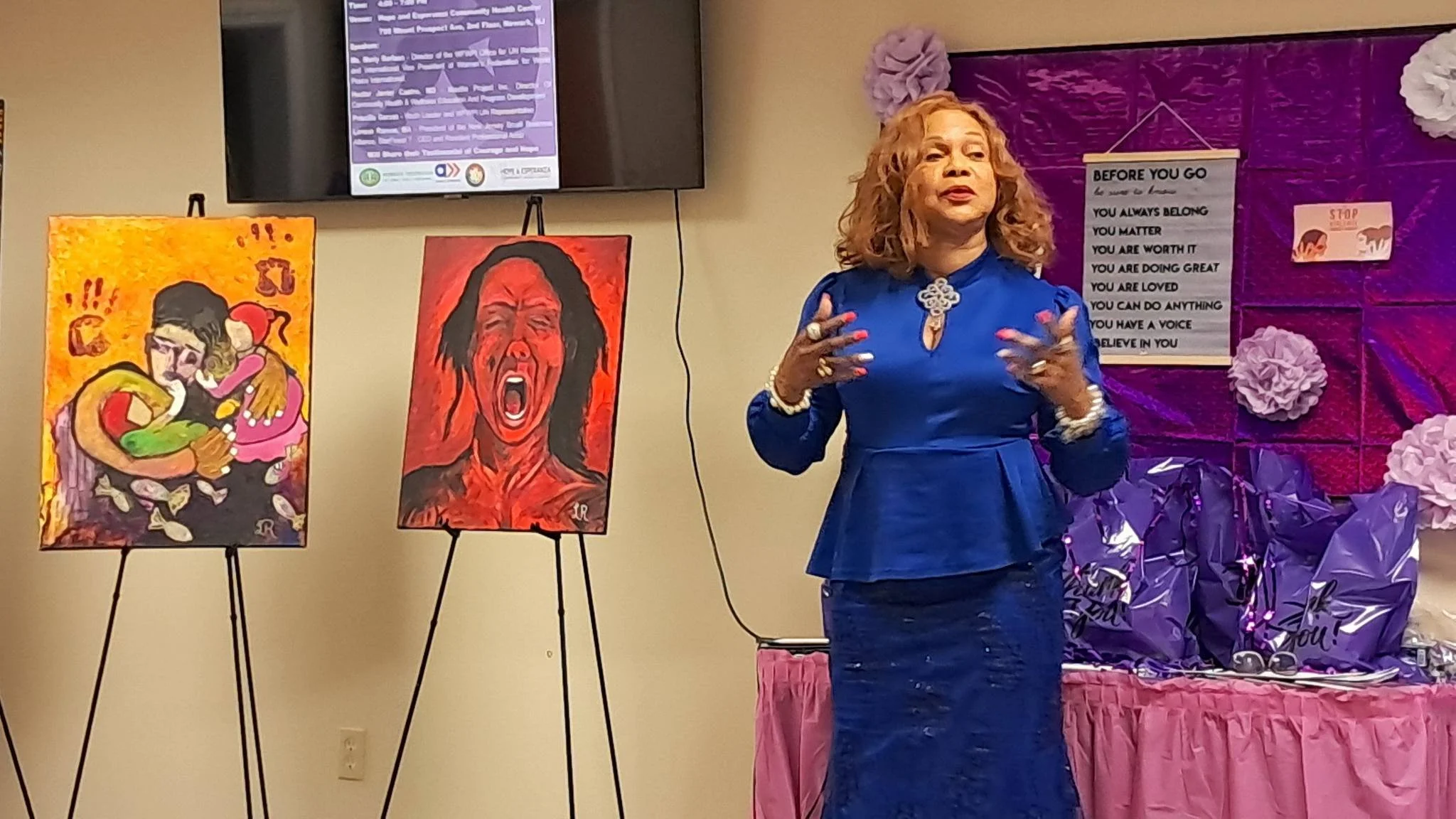
Dr. Elaine Duval: Love is the antidote to trauma.
Duval, a faith minister and retired English professor in Virginia and Ohio, was one the speakers on gender-based domestic violence organized by artist Lorena Ramos in partnership with non-profit organization Always Forward, Women’s Federation for World Peace International (WFWPI) Offices for UN Relations, and Hope & Esperanza Community Health Center on December 3, 2025.
The forum aimed to raise awareness about the enduring consequences of violence in all its forms. It was part of the UN’s 16 Days of Activism Against Gender-Based Violence, an annual international campaign from November 25 to December 10.
All the speakers noted that it took time to break the stigma of victimhood to gather themselves and seek help and liberate themselves from pain. Once overcome, victims of domestic violence usually become transformative leaders.

Community forum speakers and organizers (l-r): Lorena Ramos, executive director of Hope & Esperanza Community Health Center Nuris Rodriguez, Dr. Marivir Montebon, Dr. Hector J. Castro, Newark Councilman and former Mayor Luis Quintana, WFWPI UN Relations Director Merly Barlaan, Priscilla Garces, Maria Garces, and Dr. Elaine Duval.
Duval was born in Jamaica from a notable political family and came to the US to escape her own horrifying experience at domestic battery. She is an NJ-based WFWPI UN representative.
The forum was the first time Duval publicly spoke of her personal experience of being abused by supposed life partners. Her manner of speaking indicated how she has healed from the trauma, punctuating each stereotypically embarrassing episode with laughter.
“My trauma has made me stronger. It has strengthened me spiritually and made me compassionate of others.”
“Get help whenever you can. Call the police, or a pastor, to preserve yourself and your sanity,” Duval said, who has chosen to be an interfaith minister after her marital challenges.
Always Forward founder Priscilla Garces noted the necessity of calling for help to stop harm such as reporting to the school’s student affairs, guidance office, and to one’s parents. Garces, who became legally blind as an infant, is a disability rights advocate and a UN Representative for WFWPI-DGC.
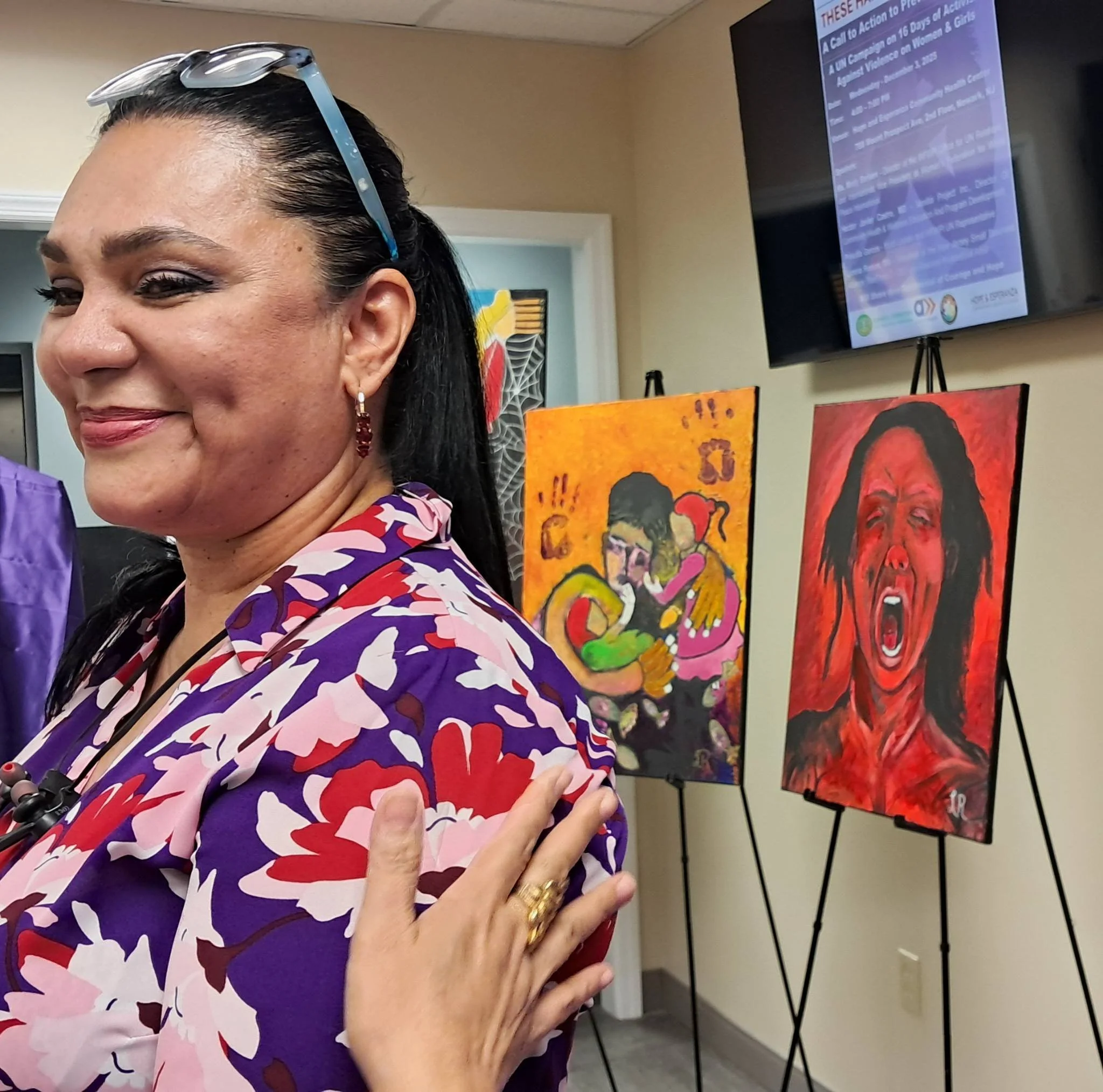
Lorena Ramos, visual artist: Art is a way to heal.
Ramos, a newly appointed Ambassador for Peace of WFWPI held back tears while sharing her near-death experiences in the hands of her abuser. Like Duval, she had to escape from home, struggled, and eventually shone in her chosen path in life as an entrepreneur and visual artist. Ramos said that creativity through painting has been her strategy for healing.
Gender-based violence manifests in many forms—including digital, financial, physical, sexual, and emotional abuse. The UN’s 16 days of activism stirs government and non-government action to stop domestic violence as it incapacitates and claims the lives of millions of individuals.
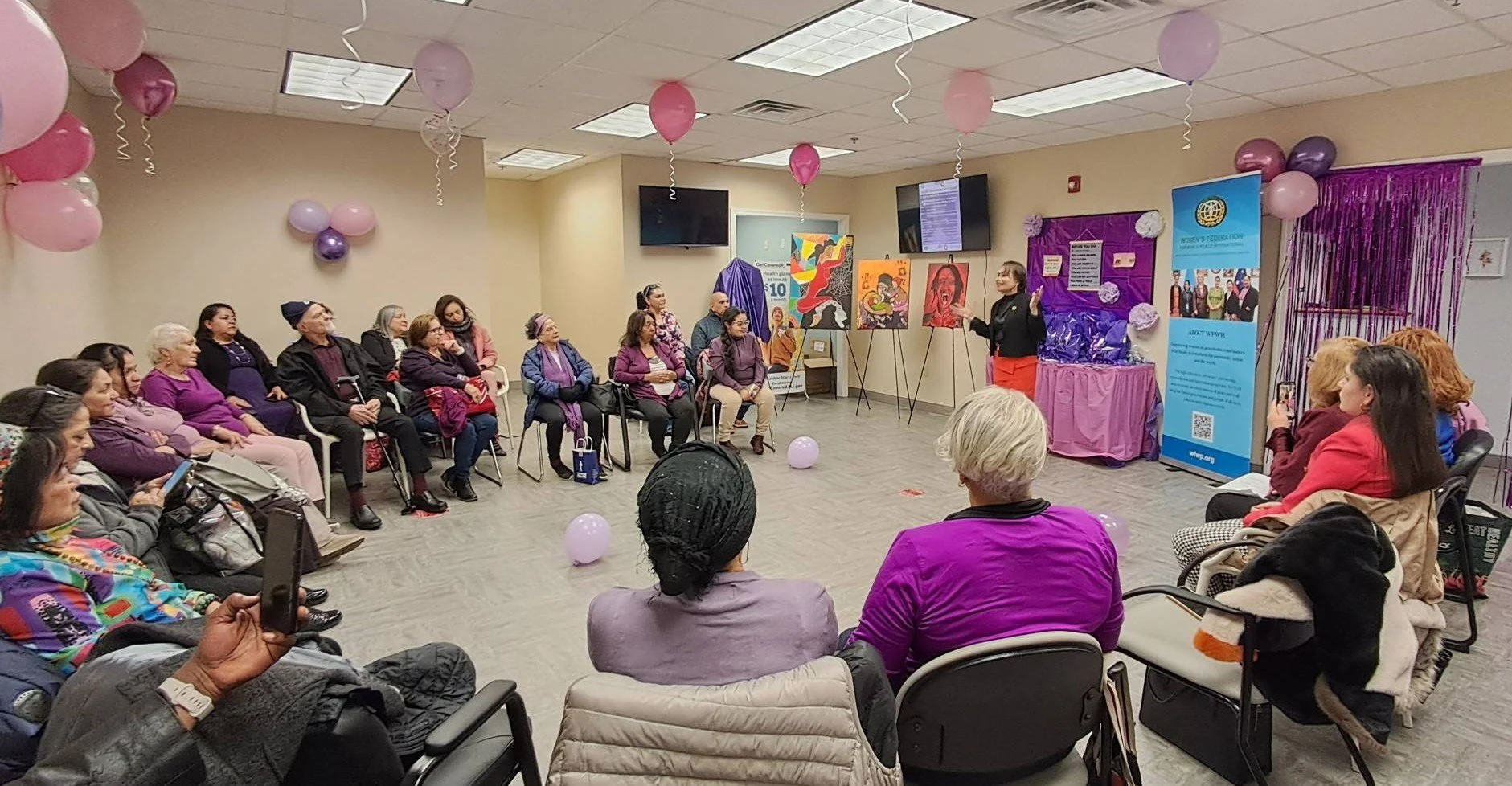
Merly Barlaan speaks before participants of the forum in a safe space for painful conversations of domestic violence, the Hope & Esperanza Community Health Center in Newark.
WFWPI UN Relations director Merly Barlaan said that WFWPI is actively engaged in the campaign to share inspiring narratives for those who need to get out from their own oppression. “From silence to leadership,” she said.
Women, children, and people with disabilities are vulnerable to violence at home, school, and the workplace.
Dr. Hector J. Castro, a medical doctor at the Hope & Esperanza Community Center, said that cultural structures have perpetuated and normalized gender-based violence at the onset of colonial patriarchal societies.
Several generations ago, men were prohibited to physically harm women unless they’re married to each other. He noted that in the olden days, it was only when they were married can a man lay a hand on their wives, which was part of the fact that women were considered men’s properties.
It was only in post-modern times that women, in sporadic global initiatives, pushed to be allowed to get an education, go out and vote, get a job, or run their own businesses.
Castro, admitted having seen his own father abuse his mother, had to go above his own trauma and become a better person.
“We need to understand where violence has begun, so that we, personally and as a community, could stop it,” he remarked.
WFWPI’s character education program focuses on peacebuilding in the family, emphasizing that love and respect start from oneself and at home. #