Filipino leaders in NY speak: Equalize the veto power of the Security Council
By Marivir R. Montebon
New York - As the UN General Assembly 81st session stretches home this week, Filipino leaders in the diplomatic and nonprofit sphere here have added their voice to the call that all members of the Security Council must have veto powers, or none at all, for the sake of substantial peace.
Veto power must be democratized, they contend. For feminist leader Indai Sajor, veto powers of the Security Council must be extended to its member states. Sajor, a convenor of the International War Crimes Tribunal, said: “The United Nations is now over 80 years old, and the structures it was built on are failing. It is high time to expand the Security Council to include Africa and Latin America, and the only way to democratize its power is to expand it.”
The five permanent members of the Security Council - US, China, Russia, France, and the United Kingdom - have veto power, under Art. 27 of the UN Charter. The 10 other member states (elected by the General Assembly every two years) have a non-permanent status that has no veto power.
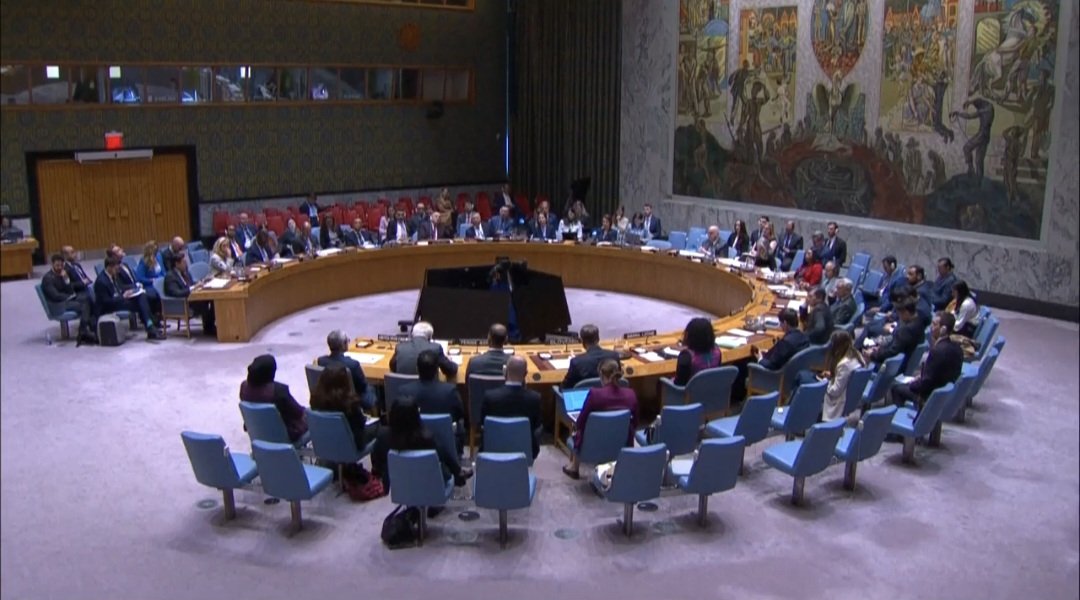
The Security Council in session (UN Web TV)
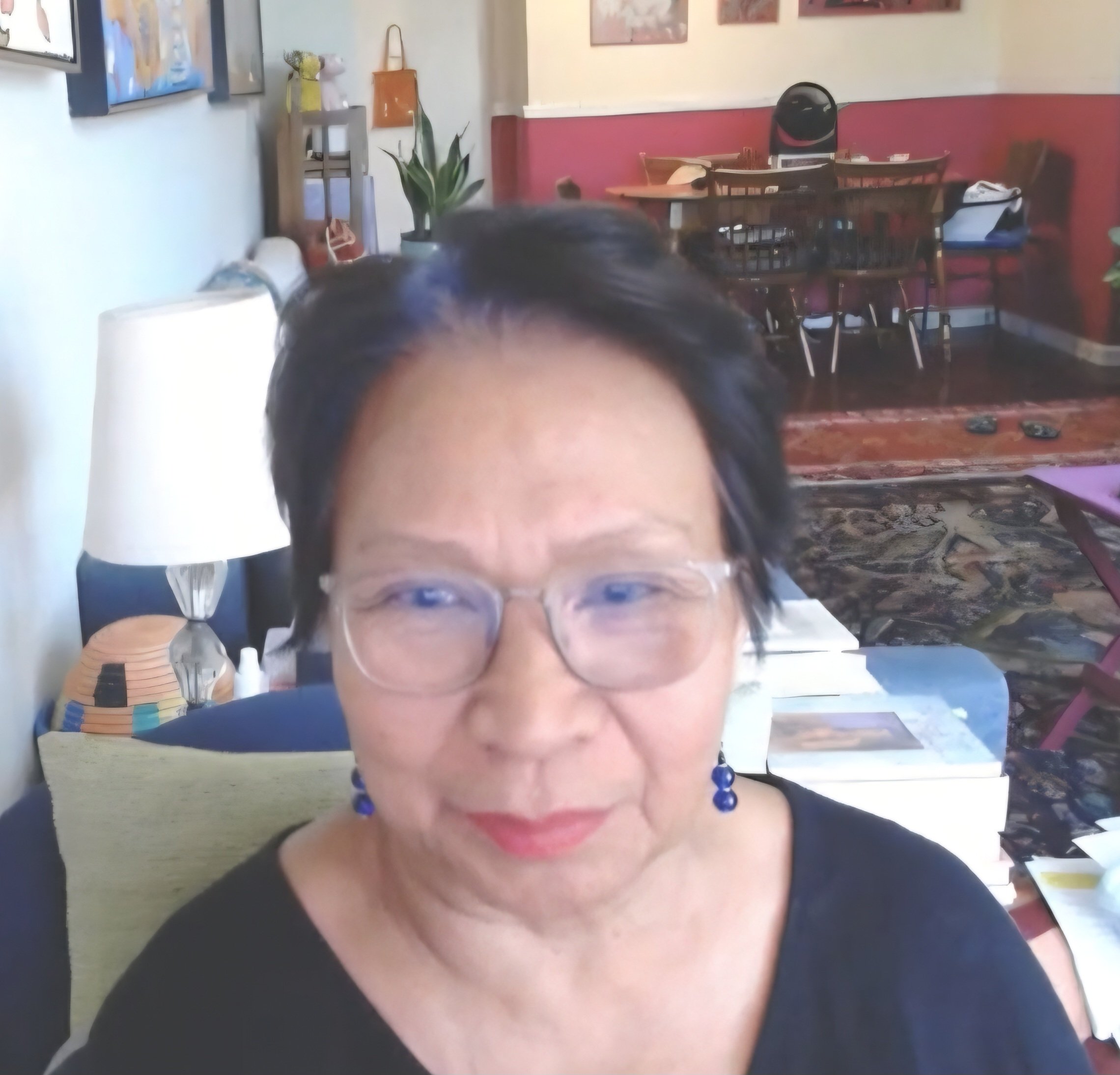
Indai Sajor
The International War Crimes Tribunal trail blazed the legal recognition of sexual slavery as a crime against humanity following the comfort women movement in 10 Asian countries against the Japanese government during WWII.
Historically, the veto power to block a decision made by other members of the council was created due to the failed experience of the League of Nations, where every member state had veto power, creating absolute gridlock.
At the Dumbarton Oaks Conference and the Yalta Conference in 1944 and 1945, respectively, the US, UK, USSR, China, and France mulled their veto power framework.
Smaller nation members strongly protested the veto power during the 1945 San Francisco Conference, arguing that it undermined sovereign equality. The US gave a take-it-or-leave-it ultimatum to the smaller nations, contending that the major countries would not be allowed to ratify a treaty by their respective senates without their veto powers. In order to forge a global security alliance, the smaller nations conceded to allow the veto power of the major countries.
Eighty-one years later, substantial peace has remained unachievable, with members of the P5 accused of instigating major wars themselves.
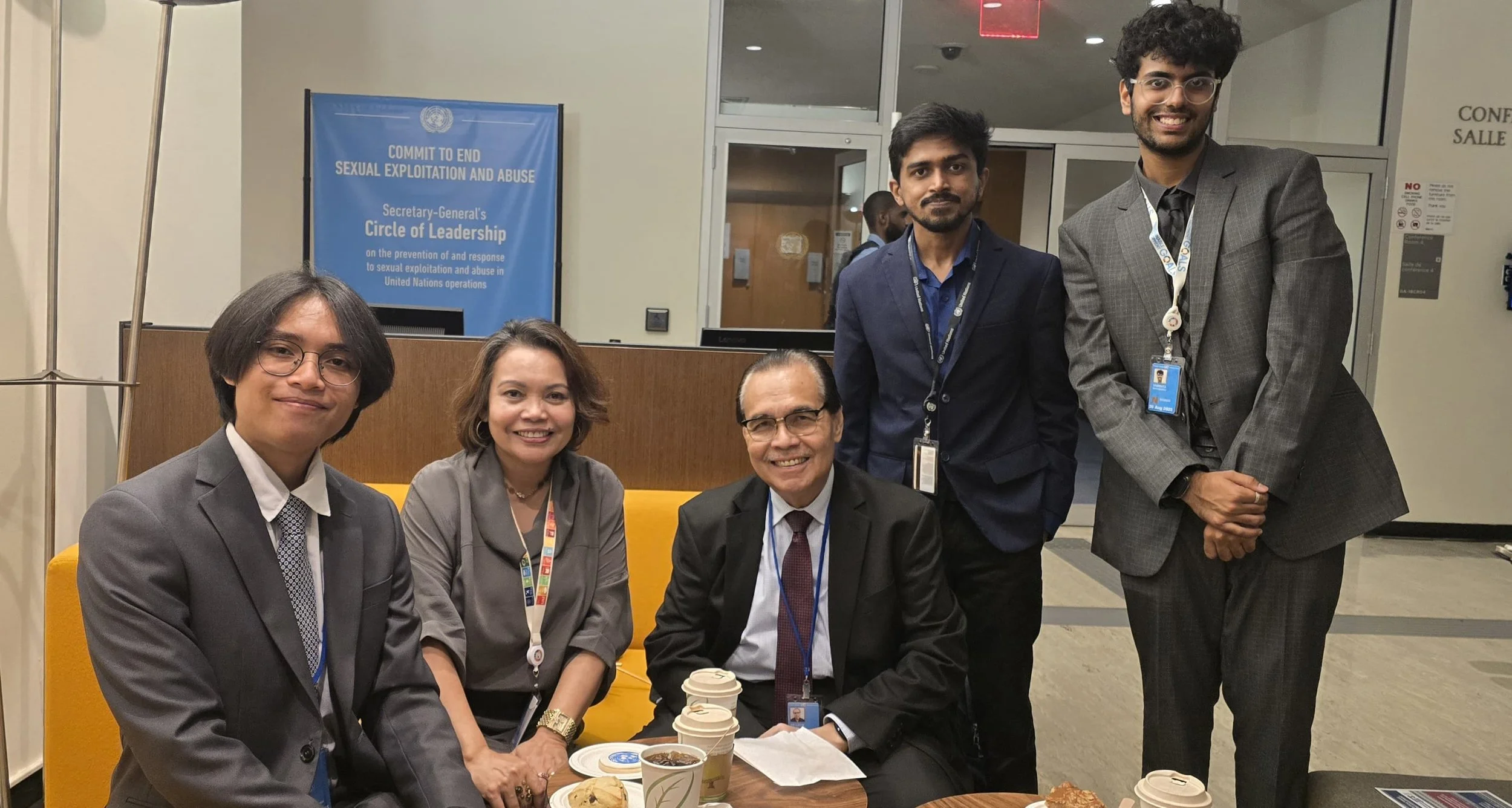
Retired Philippine Ambassador Mario de Leon Jr. and Merly Barlaan with UN youth representatives of WFWPI.
Retired Philippine Ambassador Mario Lopez de Leon Jr. offered a procedural solution to equalize the Security Council votes. De Leon is a senior advisor on diplomacy for the Women’s Federation for World Peace International.
“The member states have to find an interlocutor among the 10 non-permanent members of the Security Council. It has to be part of the agenda of SC. Too bad, the Philippines lost its bid. It would have been easier to have requested the Philippine delegation to do it for us. Another approach is to have a new resolution adopted in the UNGA so that it's easier to have the Security Council take it as an agenda.”
The veto power of the P5 has institutionalized impunity and made the Security Council powerless to honor declarations and commitments.
Merly Barlaan, WFWPI vice president and UN Relations Firector, opined that the UN system is no longer serving its original founding purpose mainly because of the foundational disagreement of the P5 and the founding countries.
“When the UN was founded, there was a unipolar world. Now, it is multipolar. That's why we in the civil society need to chart our own path in terms of exploring ways we can salvage whatever space we have in the diplomatic decorum. Changing mindset and changing the system is the key by addressing the root causes of conflict and highlighting the role and power of women to build peace through healing, forgiveness, interdependence, mutual prosperity and shared universal values - are new paradigms and pathways to a peaceful future. A future without war.” #